
Travel Health
For safe and healthy journeys
Manage vaccinations, hygiene, jet lag, motion sickness, and destination-specific risks with science-based methods.
IMPORTANT WARNING:
The information on this page is for general informational purposes only. For pre-travel vaccinations, medications, or health conditions, consult your family doctor, travel medicine specialist, or infectious disease physician. Each destination has different risks and plans must be personalized to your health.
About Travel Health
Importance of Travel Health
Travel exposes you to new environments, climate changes, and infection risks that can cause health problems. Preparation prevents diseases and ensures an enjoyable trip.
According to WHO, travel-related illnesses are preventable (source: WHO, CDC Travel Health).
Common Risks
- Infectious diseases
- Food and waterborne issues
- Jet lag and sleep disruption
- Motion sickness
- Sun and insect bites
Preventive Approaches
- Travel vaccinations
- Hygiene rules
- Safe food/water consumption
- Medications and first aid kit
- Travel insurance
Professional Approach
- Travel medicine clinic visit
- Destination-specific risk assessment
- Vaccination and prophylaxis recommendations
- Personal health plan
- Emergency information
Travel Health Techniques

1. Travel Vaccinations and Prophylaxis
Mandatory by destination.
Details
Hepatitis A/B, typhoid, yellow fever, malaria prophylaxis. Start 4-6 weeks before travel.
Follow CDC/WHO guidelines.
Tip: Consult a travel clinic.

2. Food and Water Safety
Prevents diarrhea.
Details
Boiled/bottled water, well-cooked food, peeled fruits. Avoid ice.
Traveler's diarrhea is common.
Tip: Carry hand sanitizer.

3. Jet Lag Management
Maintains sleep rhythm.
Details
Adapt to local time on arrival, sunlight, caffeine management.
Melatonin on doctor's advice.
Tip: Adjust schedule before flight.

4. Preventing Motion Sickness
For air/vehicle sickness.
Details
Medication (on doctor's advice), ginger, front seat, looking at horizon.
Empty stomach or light meal.
Tip: Choose window seat.
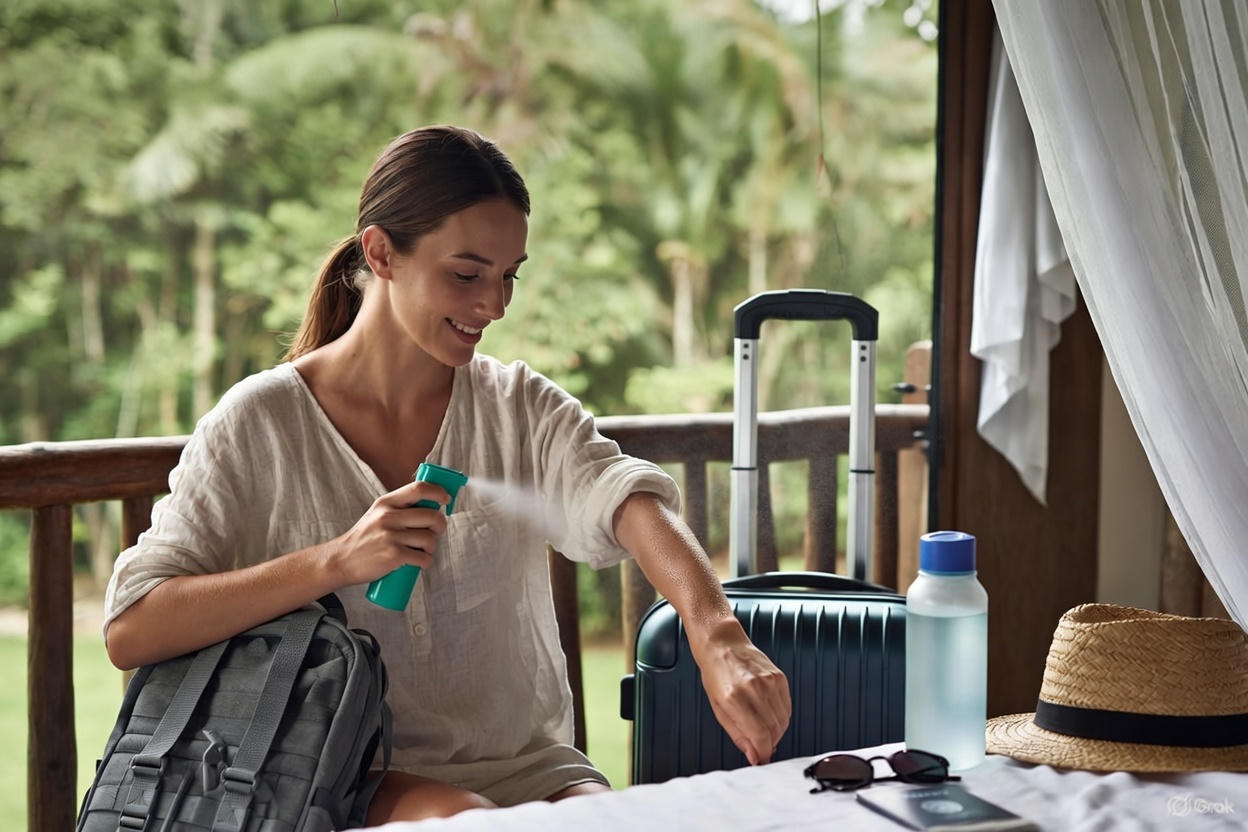
5. Insect Bites and Mosquito Protection
Prevents malaria, dengue.
Details
Repellent, long sleeves, bed nets. Be cautious at dusk.
For high-risk areas.
Tip: Permethrin-treated clothing.

6. Sun and Heat Stroke Protection
Prevents skin cancer and dehydration.
Details
High-factor sunscreen, hat, shade. Drink plenty of water.
Monitor heat stroke symptoms.
Tip: Avoid 10-4 pm sun.
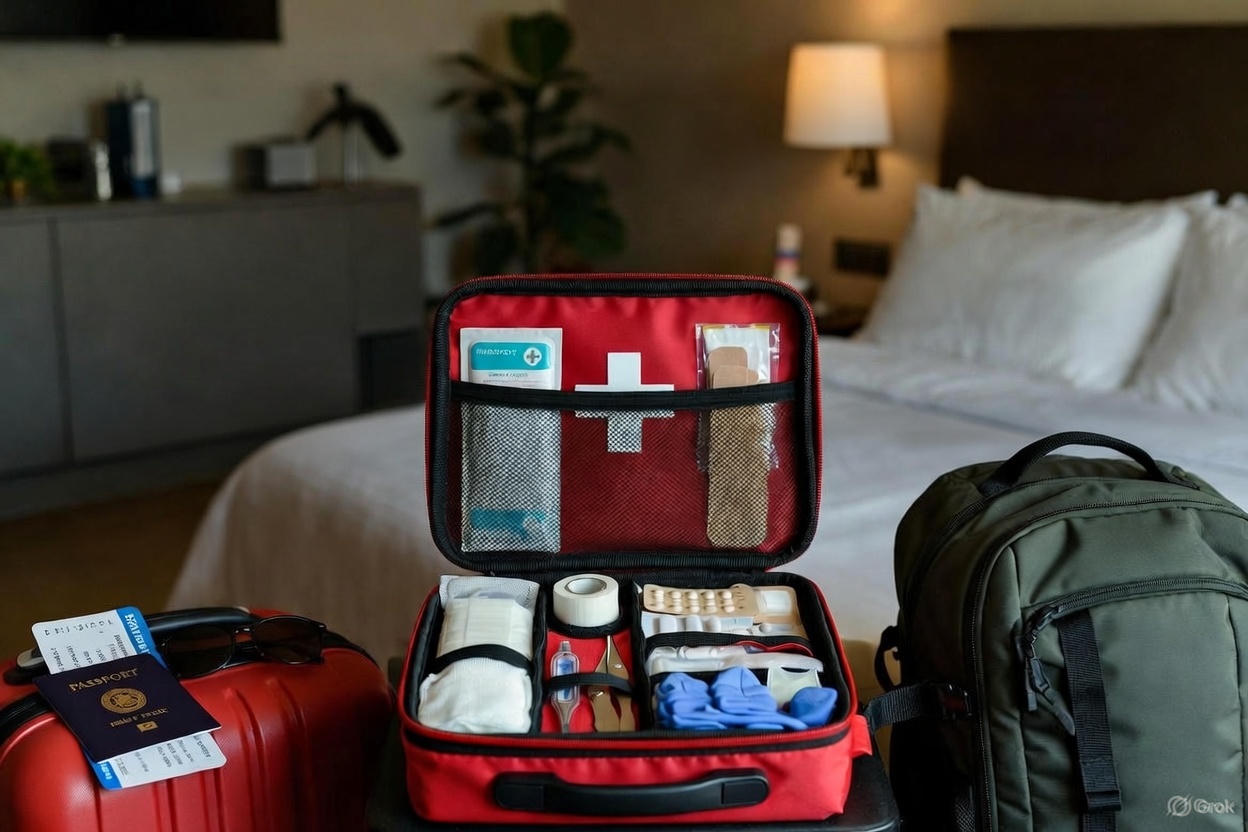
7. Travel First Aid Kit
For minor issues.
Details
Bandages, antiseptic, pain reliever, diarrhea medication, personal meds.
Extra prescription meds.
Tip: Prepare a small bag.

8. Travel Health Insurance
For unexpected situations.
Details
Policy covering medical costs and evacuation abroad.
Especially for high-risk destinations.
Tip: Read coverage details.

9. Personal Hygiene Rules
Prevents infections.
Details
Frequent hand washing/sanitizer, mask in crowds.
For COVID and flu.
Tip: Carry sanitizer.

10. Managing Chronic Conditions
For continuity.
Details
Sufficient meds, doctor's note, dose adjustments for time zones.
For diabetes, hypertension, etc.
Tip: Use English medication names.

11. Emergency Preparedness
Saves lives.
Details
Destination emergency numbers, consulate info, insurance contact.
Inform close contacts.
Tip: Save on your phone.

12. Travel Medicine Specialist Visit
Safest path.
Details
Travel medicine clinic provides destination-specific vaccinations, meds, and advice.
Especially for high-risk areas.
Tip: Visit 4-6 weeks before travel.