
Testosterone and Fitness
Boost your testosterone levels naturally
Increase muscle mass, energy, and performance with science-based training, nutrition, and lifestyle changes.
IMPORTANT WARNING:
The information on this page is for general informational purposes only. If you suspect low testosterone or health issues, consult an endocrinologist or urologist. Supplements and intense training should be done under medical supervision.
Testosterone and Fitness Relationship
Role of Testosterone
Testosterone is a critical hormone for muscle development, bone density, energy levels, libido, and overall performance. Maintaining or boosting natural levels accelerates fitness goals.
Age, stress, and lifestyle affect levels (source: Journal of Clinical Endocrinology & Metabolism).
Impact of Fitness
- Weight training increases testosterone release
- HIIT provides short-term boosts
- Sleep and nutrition create lasting effects
- Overtraining can lower levels
Testosterone Optimization and Fitness Techniques
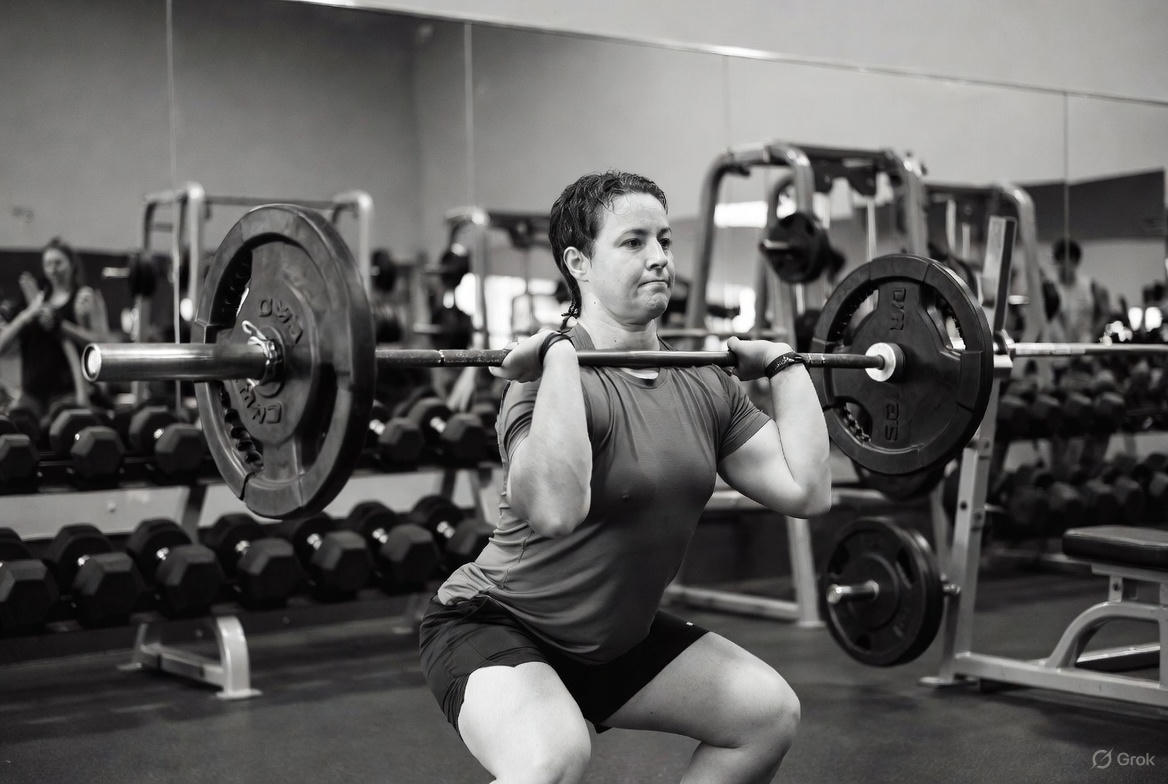
1. Weight Training
Most effective testosterone booster.
Details
Squat, deadlift, bench press working large muscle groups. Heavy weights, low reps (6-12).
3-4 days per week.
Tip: Apply progressive overload.

2. HIIT Workouts
Provides short-term boosts.
Details
20-30 min high-intensity intervals. Sprint or burpee circuits.
2-3 times per week.
Tip: Do on separate days from weight training.

3. 7-9 Hours Quality Sleep
Most important factor for testosterone production.
Details
Sleep deprivation lowers levels by 15%. Consistent schedule and dark environment.
Tip: Avoid screens before bed.

4. Healthy Fat Consumption
Essential for hormone synthesis.
Details
Avocado, olive oil, salmon, walnuts. 30% of daily calories from fats.
Tip: Avoid trans fats.

5. Zinc and Magnesium Intake
Deficiency lowers levels.
Details
Zinc supports testosterone synthesis, magnesium aids sleep and recovery.
Prioritize foods, supplement if deficient.
Tip: Meat and seafood are rich sources.

6. Stress Management
Cortisol suppresses testosterone.
Details
Chronic stress lowers levels. Yoga, meditation, or nature walks.
Tip: Daily 10 min breathing exercise.

7. Vitamin D Optimization
Deficiency is common and impactful.
Details
Vitamin D deficiency lowers testosterone. Sunlight, fatty fish, or supplements.
Check levels with blood test.
Tip: Morning sun is best.

8. Reducing Sugar and Processed Carbs
Protects insulin balance.
Details
High sugar causes insulin resistance and lowers testosterone.
Focus on whole grains and protein.
Tip: Sugar-free alternatives.

9. Cold Showers and Therapy
Provides short-term increase.
Details
Cold showers or ice baths. Triggers dopamine and testosterone release.
Start gradually.
Tip: 2-3 min is sufficient.

10. Adequate Rest and Recovery
Overtraining lowers levels.
Details
At least 1-2 rest days per week. Include deload weeks.
Recovery boosts hormone release.
Tip: Active recovery.

11. Regular Testosterone Monitoring
Track changes.
Details
1-2 times per year blood test. Morning fasting is most accurate.
See lifestyle impact.
Tip: Measure free and total testosterone.

12. Endocrinologist and Trainer Support
Safe and effective optimization.
Details
Consult specialist for low levels. Create program with trainer.
Prioritize natural methods.
Tip: Get a second opinion.