
Sports Nutrition
Science-based guide for performance
Maximize your training results with protein timing, carbohydrate strategies, and supplements.
Everything About Sports Nutrition
What is Sports Nutrition?
Sports nutrition is the strategic use of macro and micronutrients to maximize training performance, recovery, and adaptation. It differs from regular nutrition by prioritizing timing, quantity, and type.
Scientific basis: According to ISSN and ACSM position statements, nutrition determines 20-30% of performance.
Why is it Important?
- Faster post-workout glycogen replenishment
- Maximized muscle protein synthesis (MPS)
- Delayed fatigue, increased performance
- Reduced injury risk
- Optimized fat loss or muscle gain according to goals
- Supported immune system
Basic Macro Distribution
- Strength sports: Protein 1.6-2.2 g/kg, Carbs 4-7 g/kg, Fat remaining
- Endurance sports: Carbs 6-10 g/kg, Protein 1.2-2.0 g/kg
- Fat loss: Protein 2.3-3.1 g/kg, low-moderate carbs
- Total calories: Surplus/deficit/balance based on goal
Supplement Use
- Proven effective: Creatine, caffeine, beta-alanine, whey protein, nitrate
- Conditionally effective: BCAA, glutamine, vitamin D
- Ineffective: Many "fat burners", testosterone boosters
- Food first: Meet goals with whole foods, then supplement
Sports Nutrition Strategies
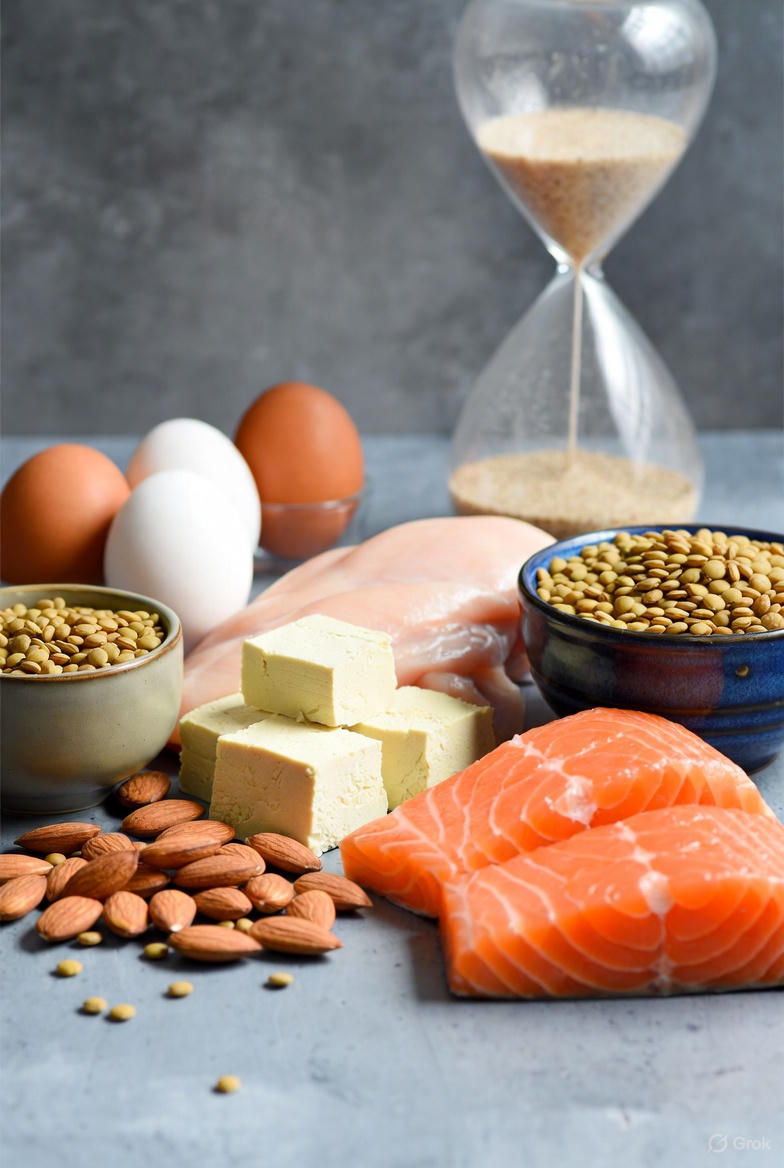
1. Protein Timing
Maximizes muscle protein synthesis.
Details
Science: 20-40g high-quality protein within 0-2 hours post-workout increases MPS by 20-30% (source: JISSN).
Examples: Whey shake, chicken + rice, eggs.
Tip: Daily total protein is most important, but timing provides an edge.
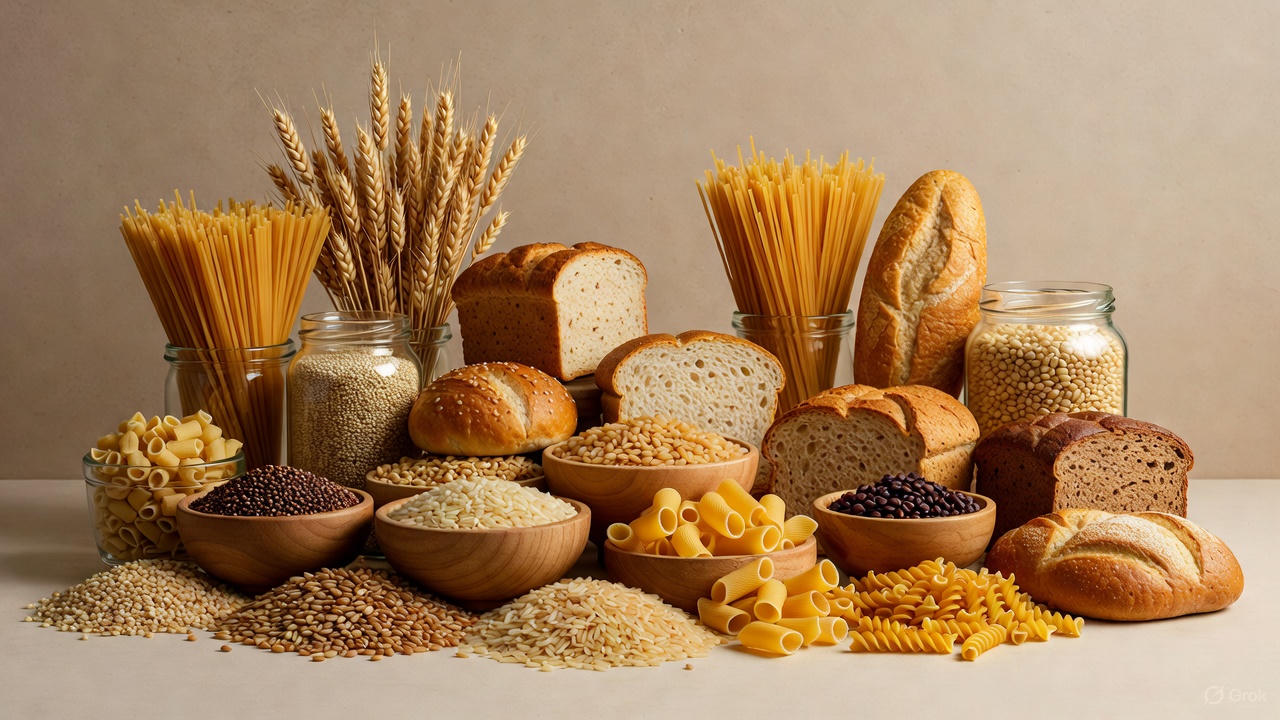
2. Carbohydrate Loading
Maximizes glycogen stores.
Details
36-48 hours pre-event at 8-12 g/kg carbs increases glycogen by 50% (source: ACSM).
Examples: Pasta, rice, potatoes, bananas.
Tip: Direct high-carb is more effective than classic depletion + loading.

3. Pre-Workout Nutrition
Boosts performance and delays fatigue.
Details
Ideal: 1-4 g/kg carbs + 0.3 g/kg protein (source: ISSN).
Examples: Oats + banana + whey, chicken + rice.
Tip: Caffeine (3-6 mg/kg) 60 min before boosts performance.

4. Post-Workout Recovery
Accelerates recovery.
Details
Ideal: 20-40g protein + 0.5-1 g/kg carbs.
Examples: Whey + banana, chocolate milk, chicken + potatoes.
Tip: Carb:protein ratio 3:1 or 4:1 optimal for glycogen.
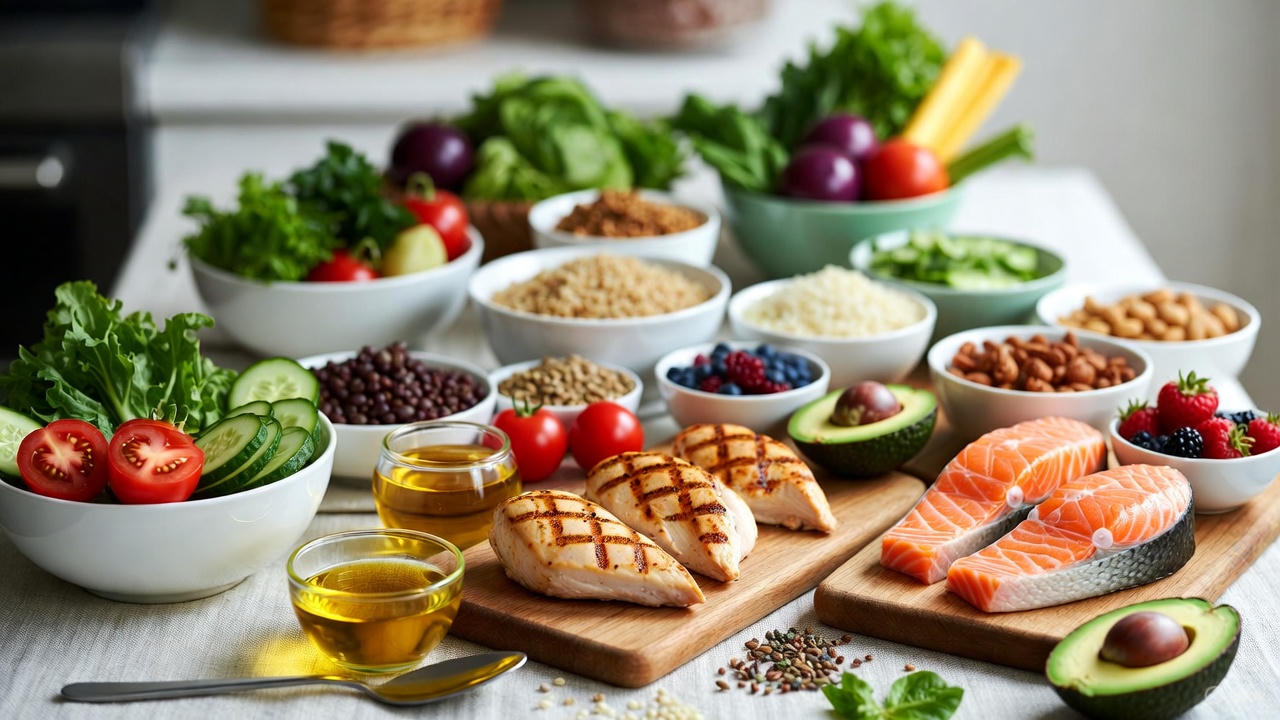
5. Nutrition for Fat Loss
Fat loss without muscle loss.
Details
Strategy: 20-25% calorie deficit, protein 2.3-3.1 g/kg (muscle preservation).
Low-moderate carbs, balanced fats.
Tip: PSMF or carb cycling for faster results.

6. Calorie Surplus for Muscle Gain
Energy surplus for muscle hypertrophy.
Details
Ideal: 10-20% above maintenance calories, protein 1.6-2.2 g/kg.
High carbs (4-7 g/kg).
Tip: Lean bulk for minimal fat gain.
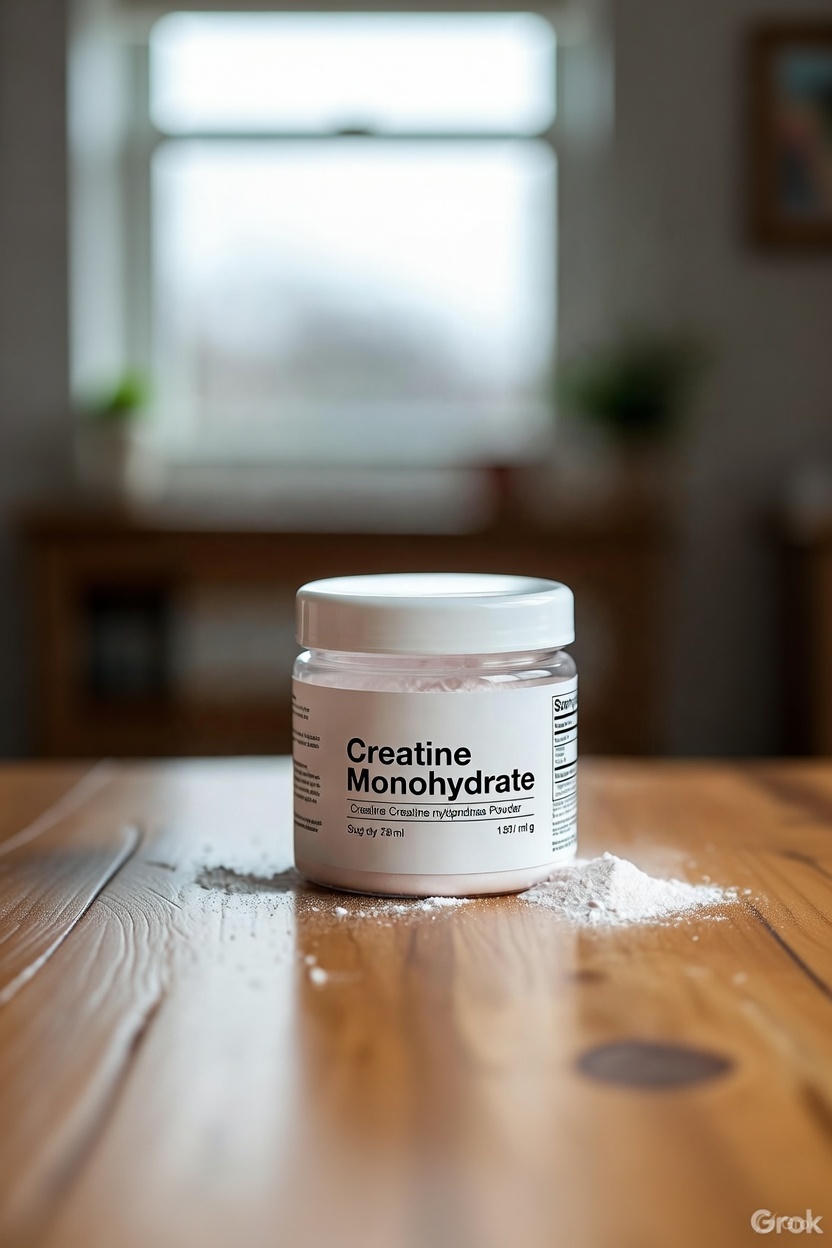
7. Creatine Monohydrate
Most effective supplement.
Details
Benefits: ATP replenishment, 5-15% strength increase, muscle volume (water retention).
Dose: Loading 20g/4 days, then 3-5g/day.
Tip: Take at same time daily, with food for better absorption.
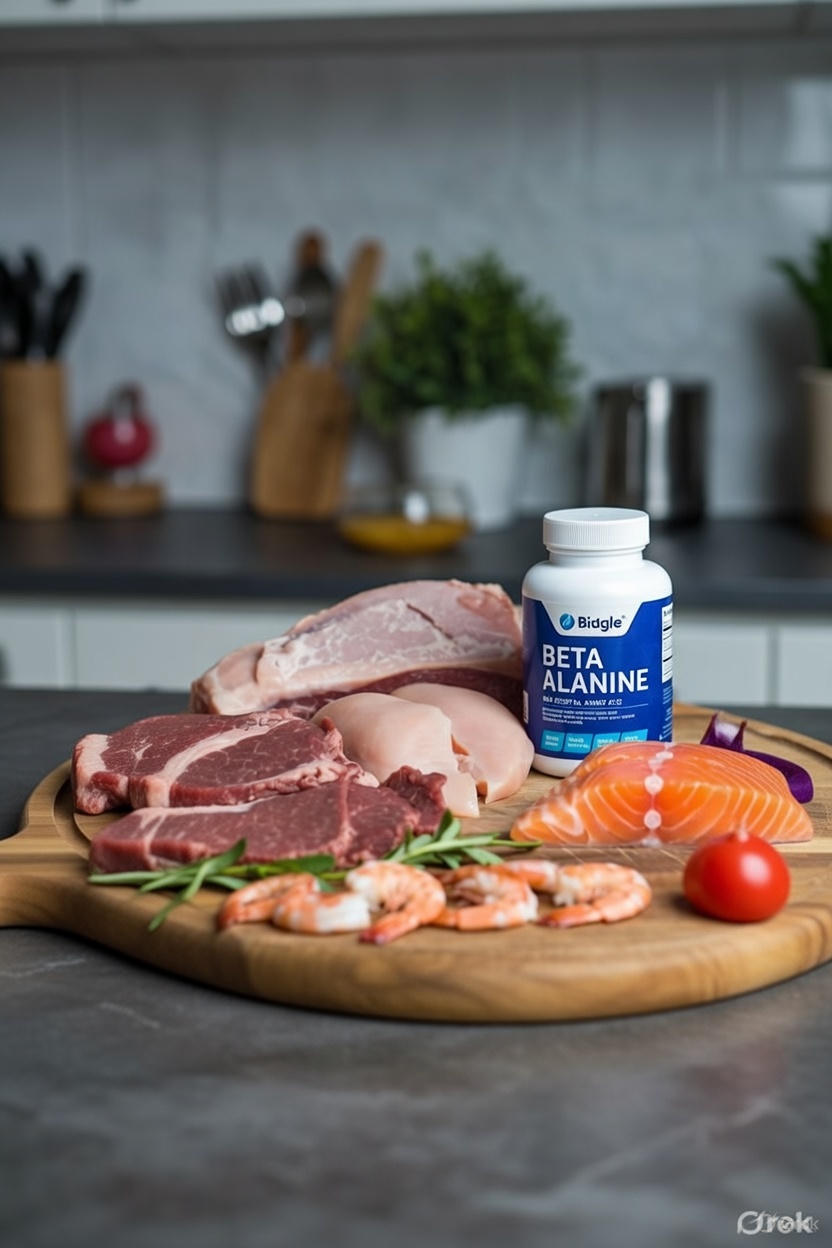
8. Beta-Alanine
Increases carnosine buffer.
Details
Benefits: 2-5% improvement in 60-240 sec high-intensity performance.
Side effect: Paresthesia (tingling).
Tip: Split doses (2-3g x2).
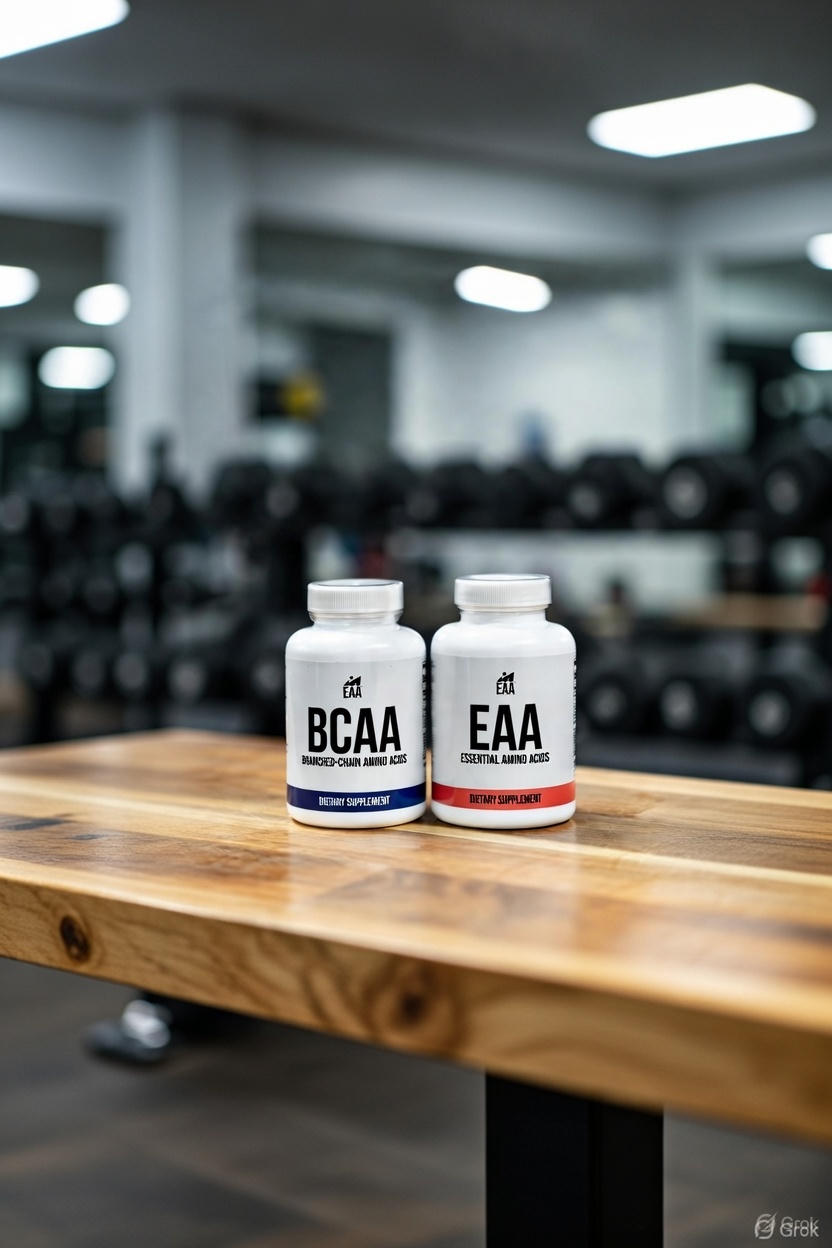
9. BCAA & EAA
Stimulates MPS during training.
Details
EAA more effective, especially leucine (2-3g) triggers MPS.
BCAA useful fasted training.
Tip: May not be needed if protein intake is sufficient.

10. Caffeine
Reduces perceived fatigue.
Details
Benefits: Endurance 5-10%, strength 3-5% increase (source: ISSN).
Take 60 min before.
Tip: Coffee, pre-workout, or caffeine pills.
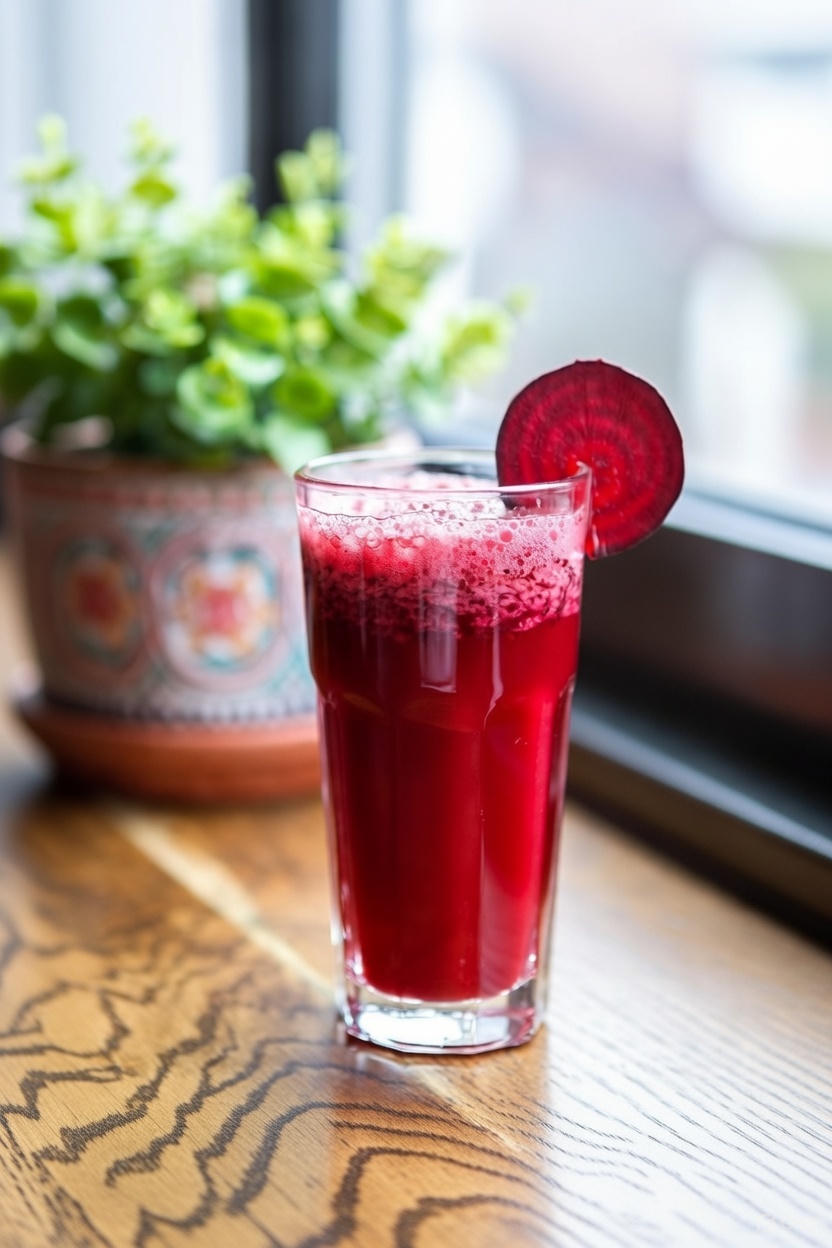
11. Nitrate (Beetroot Juice)
Improves oxygen efficiency.
Details
Benefits: VO2 max economy improves 5-10%.
2-3 hours before beetroot juice or shot.
Tip: 6-day loading for chronic effect.

12. Hydration & Electrolytes
Dehydration reduces performance.
Details
2% body weight loss causes 10% performance drop.
Sodium, potassium, magnesium important.
Tip: 500-1000 ml/hour based on sweat rate.