
Skincare
For healthy and glowing skin
Achieve youthful and healthy skin with science-based routines, skin type analysis, effective ingredients, and daily habits.
IMPORTANT WARNING:
The information on this page is for general informational purposes only. If you have skin issues (acne, rosacea, eczema, etc.), consult a dermatologist. Always perform a patch test before using new products.
About Skincare
Skin Types and Needs
Skin types are classified as dry, oily, combination, normal, and sensitive. Proper care is determined by skin type. The skin barrier should be kept healthy.
Scientifically: Skin microbiome and barrier function are key to health (source: Journal of Investigative Dermatology).
Common Skin Issues
- Acne and pimples
- Dryness and flaking
- Oiliness and enlarged pores
- Aging signs (wrinkles)
- Sun spots and hyperpigmentation
Basic Skincare Steps
- Cleansing
- Moisturizing
- Sun protection
- Active ingredient use
- Healthy lifestyle
Professional Approach
- Dermatologist examination
- Skin analysis
- Medical treatments (laser, peeling)
- Prescription products (retinol, tretinoin)
- Aesthetic procedures if needed
Skincare Techniques

1. Gentle Skin Cleansing
Protects the skin barrier.
Details
Use gel or foam cleanser instead of harsh soap. Double cleansing is ideal for evenings.
Doesn't damage the barrier.
Tip: Wash with lukewarm water.

2. Daily Moisturizing
Essential for every skin type.
Details
Gel for oily skin, cream for dry skin. Strengthens the barrier, delays aging.
Apply morning and evening.
Tip: Apply to damp skin.

3. Broad-Spectrum Sunscreen
Causes 90% of aging.
Details
UVA/UVB protection. Reduces spots, wrinkles, and cancer risk (AAD).
Reapply every 2 hours.
Tip: Prefer mineral filters.
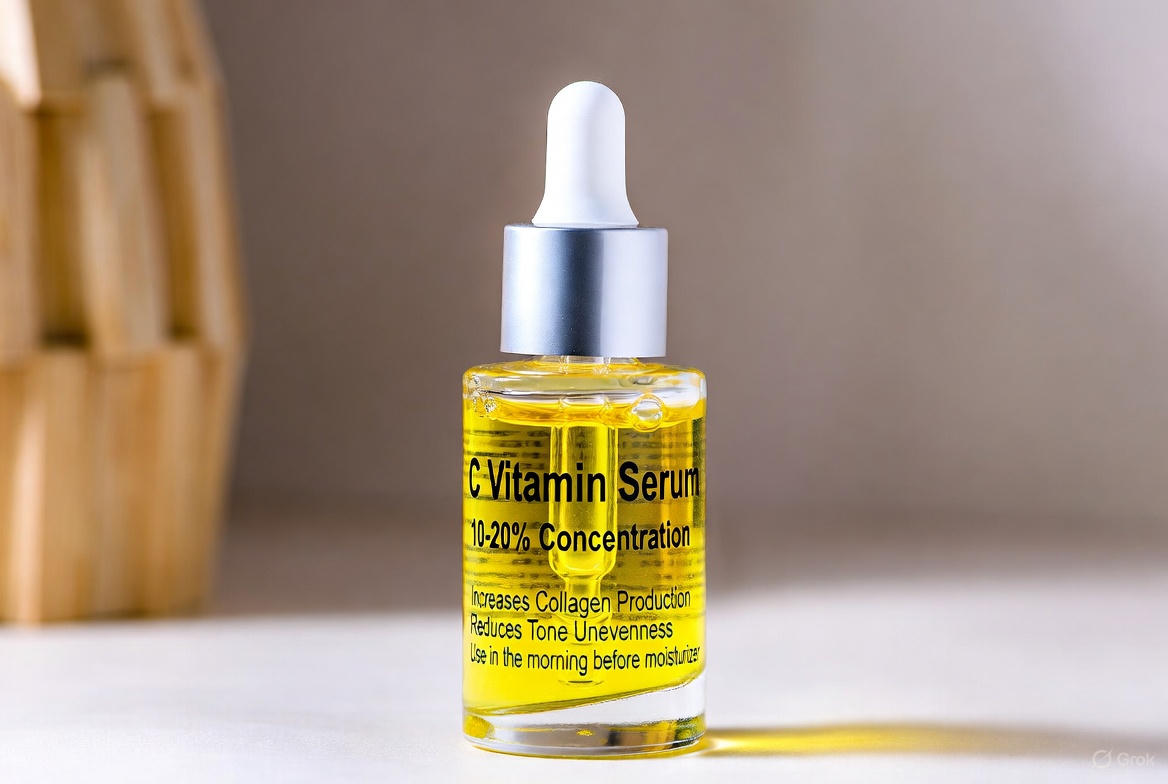
4. Vitamin C Serum
Protects against free radicals.
Details
10-20% concentration. Boosts collagen, evens tone.
Apply before moisturizer in the morning.
Tip: Store in the refrigerator.

5. Retinol or Retinoid
Effective for wrinkles and acne.
Details
Start with low concentration. Increases cell turnover (clinical studies).
Use at night, sunscreen is essential.
Tip: Start 2-3 times a week.

6. Plenty of Water Consumption
Moisturizes skin from within.
Details
Dehydration makes skin dull and wrinkled. Works with moisturizer.
Distribute throughout the day.
Tip: Add lemon or cucumber.

7. Skin-Friendly Nutrition
Reduces inflammation.
Details
Fish, walnuts, greens, berries. Reduce sugar and processed foods.
Slows acne and aging.
Tip: Prepare a colorful plate.

8. Quality Sleep
Skin renews itself.
Details
Collagen production increases during sleep, inflammation decreases. Prevents under-eye bags.
Sleep on your back.
Tip: Use silk pillowcase.

9. Stress Reduction
Increases skin inflammation.
Details
Stress worsens acne and eczema. Practice meditation or exercise.
Skin clears up.
Tip: Try breathing exercises.
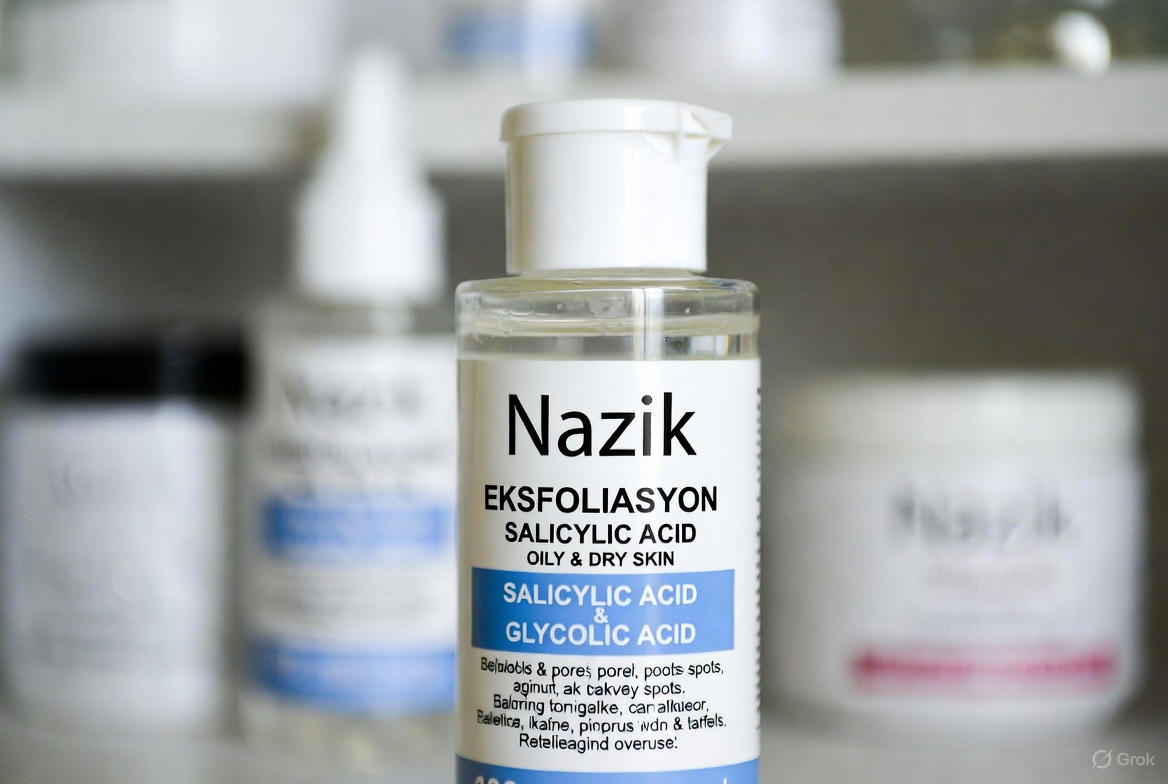
10. Gentle Exfoliation
Removes dead skin.
Details
Salicylic acid (oily skin), glycolic acid (dry skin). Effective for pores and spots.
Don't overdo it.
Tip: Increase sunscreen.

11. Patch Test for New Products
Reduces allergy risk.
Details
Apply new product to inner arm or behind ear and wait 48 hours.
Essential for sensitive skin.
Tip: Always do it with active ingredients.

12. Dermatologist Support
For the best results.
Details
Seek specialist advice for chronic issues (acne, rosacea). Prescription products are stronger.
Annual check-up recommended.
Tip: Keep photo tracking.