
Preventive Care
Prevent diseases, stay healthy
Reduce disease risks with science-based preventive health practices and save lives through early detection.
IMPORTANT WARNING:
The information on this page is for general informational purposes only. Screening programs, vaccinations, and health checks vary by individual risk factors. Please consult your family doctor or relevant specialist to create your personal plan. This content is not a substitute for medical advice.
About Preventive Care
What is Preventive Care?
Preventive care includes practices to reduce risks and enable early detection before diseases develop. It encompasses regular check-ups, vaccinations, healthy lifestyle, and screening tests.
According to the World Health Organization, preventive health significantly reduces disease burden and extends life expectancy.
Benefits
- Early detection of diseases
- Reducing treatment costs
- Improving quality of life
- Lowering mortality risk
- Building healthy habits
Core Elements
- Regular health check-ups
- Vaccination schedule
- Cancer screenings
- Healthy nutrition and exercise
- Managing risk factors
Professional Approach
- Family physician follow-up
- Age- and gender-specific screenings
- Genetic risk assessment
- Personalized plan
- Specialist referral
Preventive Care Techniques
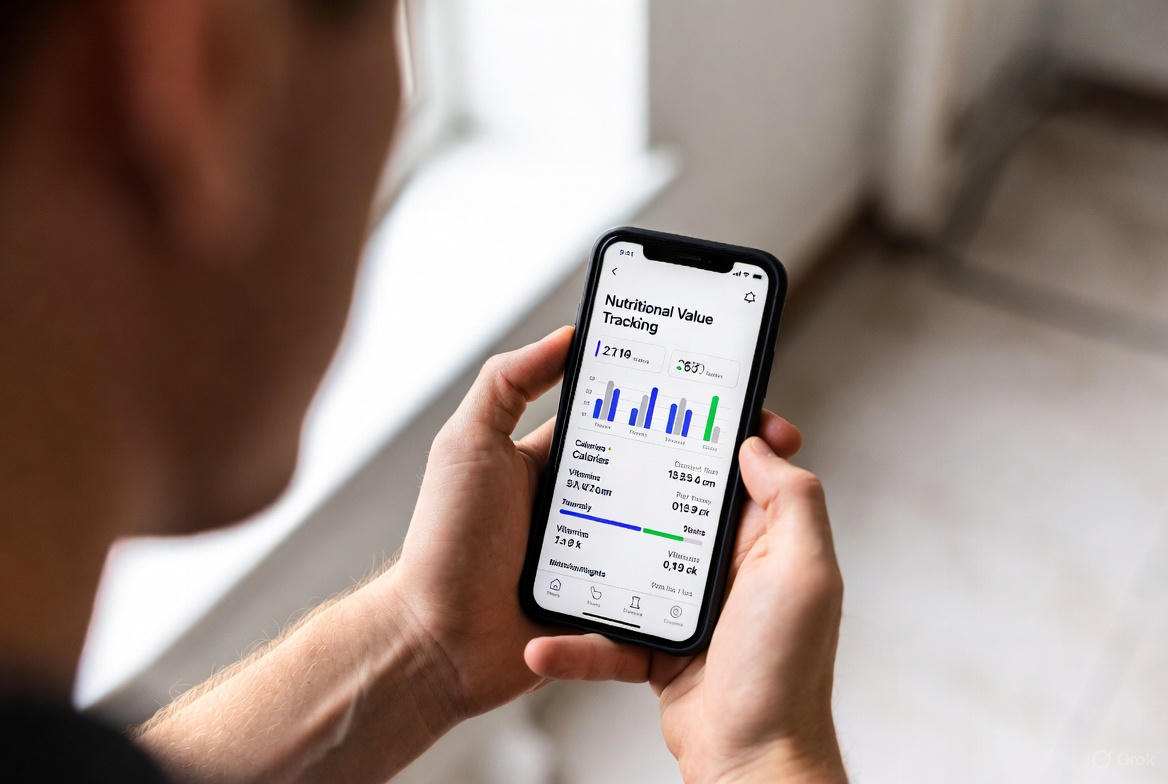
1. Regular Health Check-ups
Basic starting point.
Details
Annual check-ups for adults. Blood pressure, cholesterol, blood sugar measurements.
Frequency increases based on risks.
Tip: Plan with your family doctor.

2. Adult Vaccination Schedule
Prevents infectious diseases.
Details
Annual flu vaccine, pneumonia for 65+. HPV, hepatitis for at-risk groups.
On doctor's advice.
Tip: Set reminders.
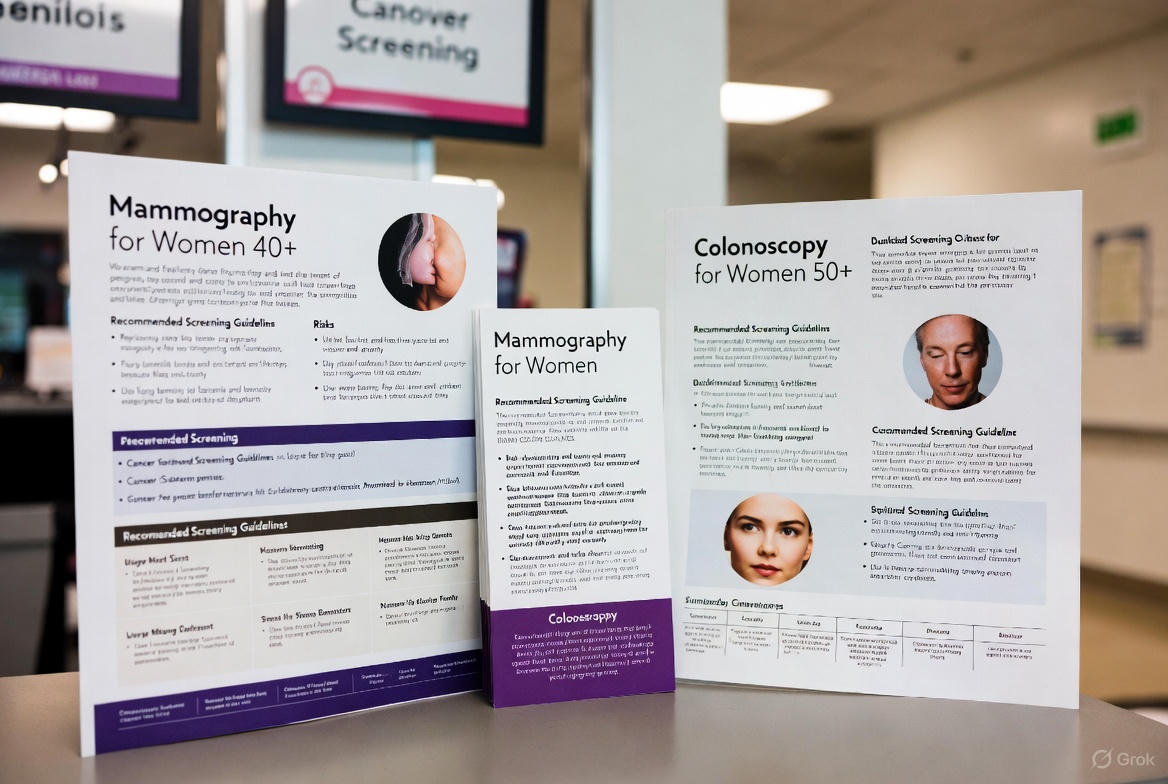
3. Cancer Screenings
Early detection saves lives.
Details
Mammography for women 40+, colonoscopy 50+, PSA test for men.
Earlier for at-risk groups.
Tip: Plan by age with your doctor.

4. Heart and Vascular Health
Prevents stroke and heart attack.
Details
Regular blood pressure and cholesterol monitoring. Healthy diet and exercise.
Manage risk factors.
Tip: Use a home blood pressure monitor.

5. Bone Density Monitoring
Prevents osteoporosis.
Details
DEXA scan for women 50+ and at-risk groups. Calcium and vitamin D.
Weight-bearing exercise.
Tip: Supplements on doctor's advice.
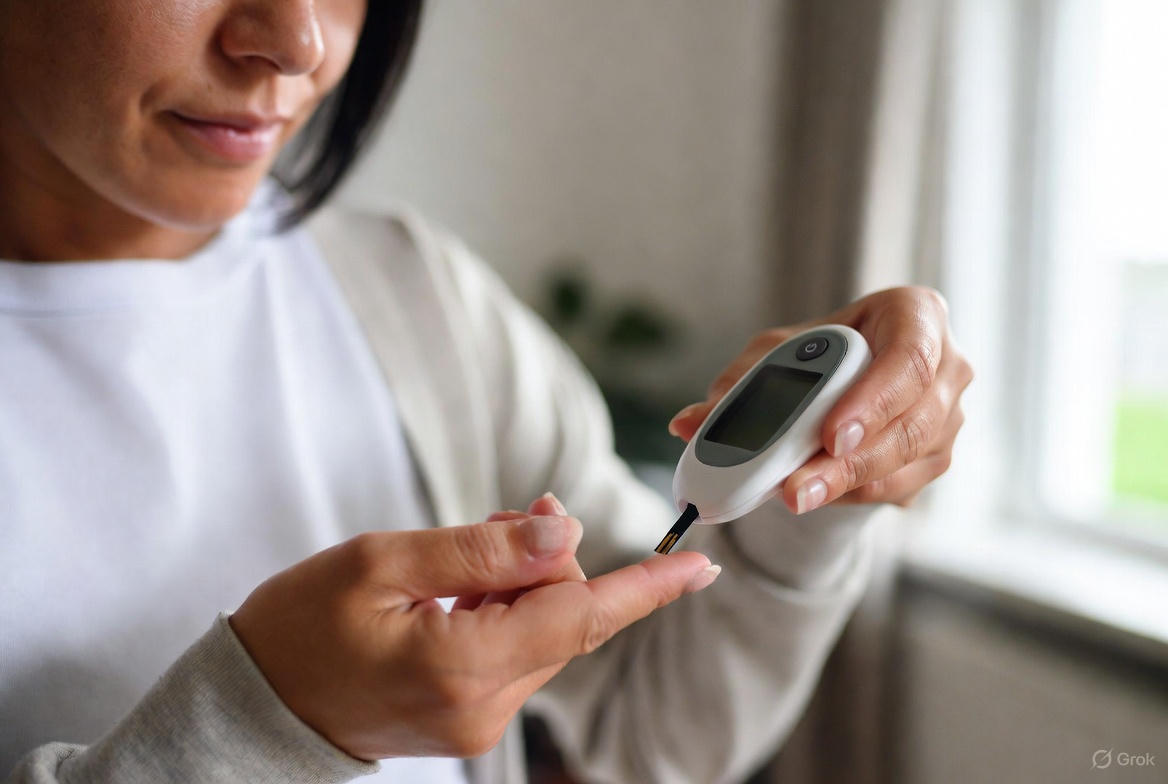
6. Diabetes Risk Monitoring
Prevents type 2 diabetes.
Details
Annual blood sugar test for 45+ or at-risk groups.
Weight control and exercise.
Tip: Start earlier if family history.

7. Balanced and Healthy Nutrition
Prevents many diseases.
Details
Plenty of vegetables-fruits, whole grains, healthy fats. Reduce sugar and processed foods.
Lowers heart and cancer risk.
Tip: Practice portion control.

8. Regular Physical Activity
For overall health.
Details
150 min/week moderate + 2 days strength. Benefits heart, bones, mental health.
Prevents obesity.
Tip: Start with daily walking.

9. Quitting/Limiting Smoking and Alcohol
Major risk factors.
Details
Quit smoking, limit alcohol. Greatly reduces cancer and heart disease risk.
Seek support.
Tip: Call quit lines.

10. Stress and Sleep Management
For immunity and mental health.
Details
Chronic stress increases disease risk. Regular sleep and relaxation techniques.
Prevents depression.
Tip: Establish daily routine.
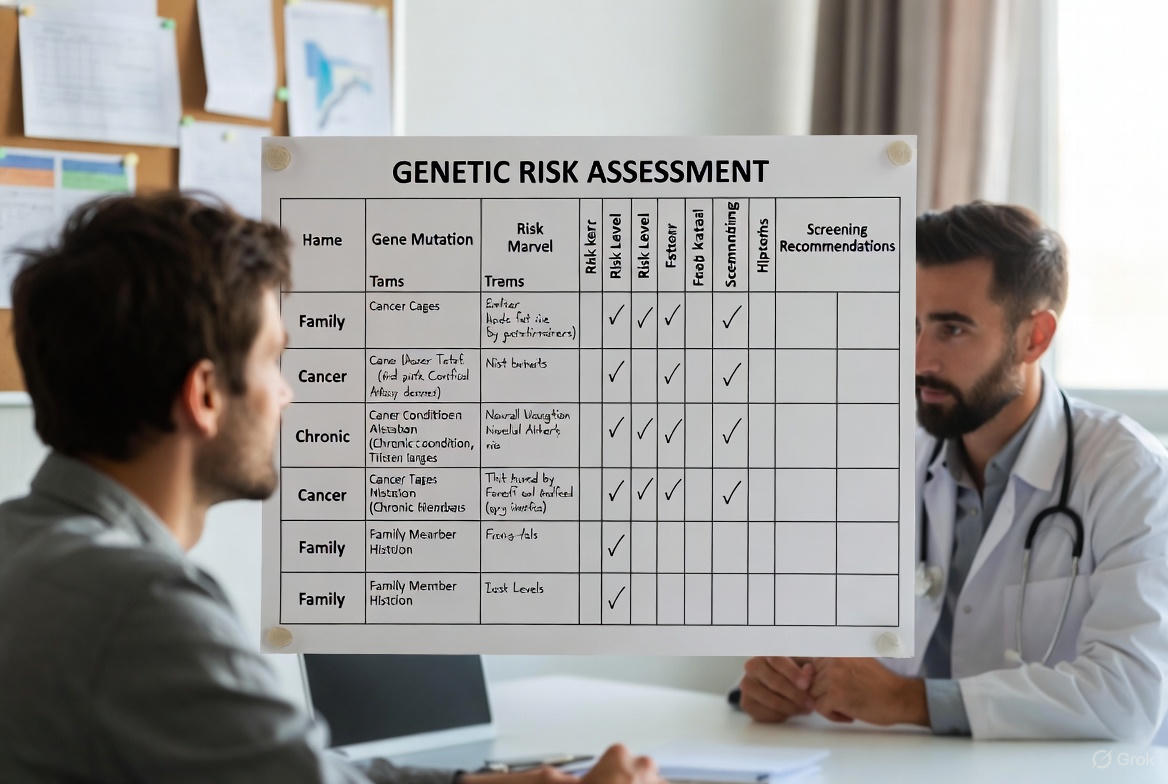
11. Genetic Risk Assessment
Personalized prevention.
Details
Genetic counseling if family history of cancer or chronic diseases.
Early screening planned.
Tip: Create a family tree.

12. Collaboration with Family Physician
Center of preventive care.
Details
Family physician assesses risks, plans screenings and vaccinations.
Maintain regular communication.
Tip: Note your questions.