
Pregnancy and Fertility
A healthy pregnancy journey
Guide to preconception preparation, fertility-boosting methods, and protecting maternal-fetal health during pregnancy.
IMPORTANT WARNING:
The information on this page is for general informational purposes only. For pregnancy planning, prenatal care, and fertility issues, consult an obstetrician-gynecologist or doctor. This content is not a substitute for medical advice.
About Pregnancy and Fertility
What is Fertility?
Fertility is the ability to achieve a healthy pregnancy. It peaks in women between 20-35 years, decreases with age in men. Lifestyle and health play major roles.
Affects 15% of couples worldwide (source: WHO, ASRM).
Pregnancy Symptoms
- Missed period
- Nausea and vomiting
- Breast tenderness
- Fatigue
- Frequent urination
Healthy Pregnancy Methods
- Folic acid intake
- Balanced nutrition
- Regular exercise
- Prenatal care
- Avoiding harmful substances
Professional Approach
- Gynecologist examination
- Fertility testing
- Prenatal vitamins
- Ultrasound and screening tests
- IVF evaluation
Pregnancy and Fertility Techniques

1. Folic Acid Supplementation
Essential for baby health.
Details
400 mcg folic acid before pregnancy and first 12 weeks. Reduces neural tube defect risk by 70% (CDC).
Start with doctor recommendation.
Tip: Combine with greens and supplements.

2. Tracking Ovulation Period
Increases fertility chances.
Details
Calendar, ovulation tests, or basal body temperature. Identifies fertile days.
Effective in regular cycles.
Tip: Use LH test kits.

3. Maintaining Healthy Weight
Supports ovulation.
Details
Excess weight or underweight reduces fertility. Keep BMI in ideal range.
Aim for gradual change.
Tip: Seek dietitian support.

4. Fertility-Friendly Nutrition
Improves egg quality.
Details
Whole grains, protein, healthy fats. Reduce sugar and processed foods.
Supports fertility.
Tip: Follow Mediterranean diet.

5. Moderate Exercise
Boosts fertility.
Details
Walking, yoga, or swimming. Avoid excessive exercise.
Especially beneficial for PCOS.
Tip: Try prenatal yoga.

6. Quitting Smoking and Alcohol
Protects fertility.
Details
Smoking reduces egg quality, alcohol disrupts hormones.
Quit before pregnancy.
Tip: Join support groups.

7. Stress Reduction Techniques
Supports ovulation.
Details
Chronic stress reduces fertility. Practice meditation, yoga, or breathing exercises.
Increases pregnancy chances.
Tip: Try acupuncture.

8. Quality Sleep Routine
Melatonin and hormone balance.
Details
Sleep disruption affects ovulation. Maintain regular sleep hours.
Important during pregnancy too.
Tip: Create a dark room.
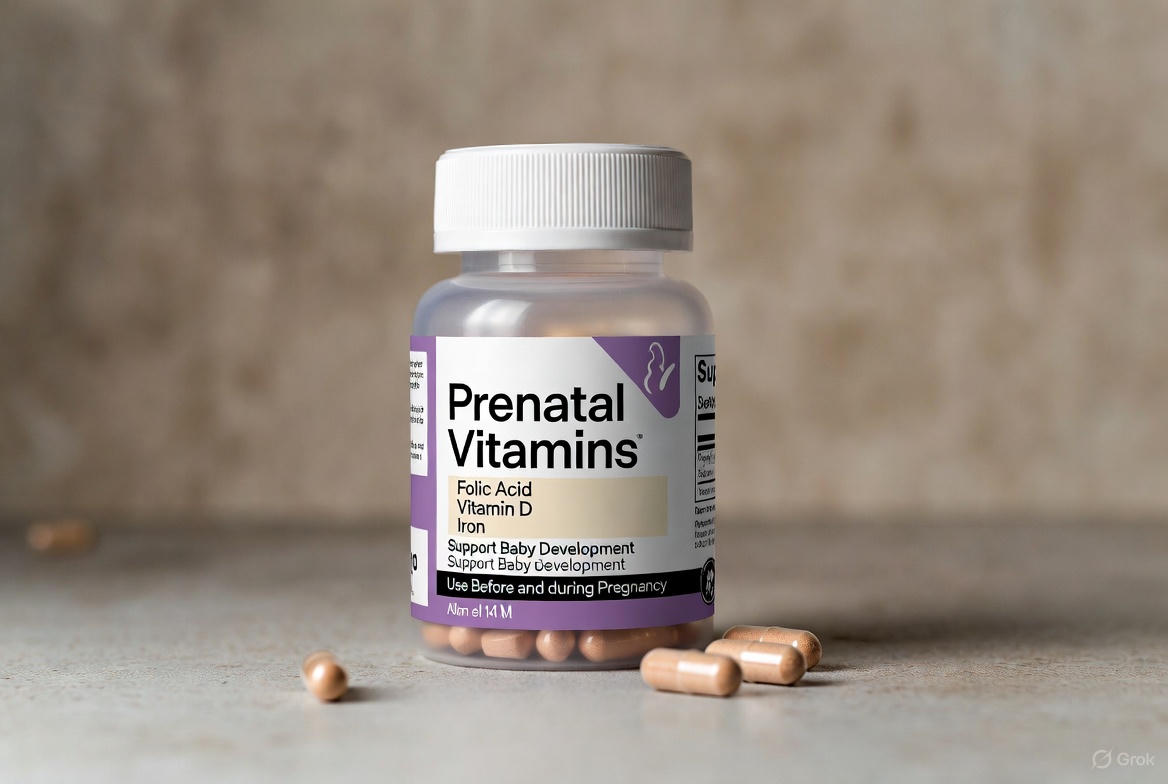
9. Prenatal Vitamin Use
Prevents deficiencies.
Details
Prenatal vitamins with folic acid, vitamin D, iron. Start before pregnancy.
Supports baby development.
Tip: Take with food.

10. Reducing Caffeine Intake
Protects pregnancy chances.
Details
Excessive caffeine negatively affects fertility and pregnancy outcomes.
Limit to 1-2 cups of coffee daily.
Tip: Switch to herbal teas.

11. Preconception Check-up
For a healthy start.
Details
Pre-pregnancy doctor visit, vaccinations, chronic condition check.
Minimizes risks.
Tip: Plan 3 months in advance.

12. Gynecologist and Reproductive Specialist
Personal roadmap.
Details
If no pregnancy after 1 year of unprotected intercourse, consult specialist.
Early intervention increases success.
Tip: Go as a couple.