
Child Health
For a healthy and happy childhood
Science-based preventive care, growth monitoring, vaccinations, and information on common childhood illnesses.
IMPORTANT WARNING:
The information on this page is for general informational purposes only and is not a substitute for medical advice. If your child has any health issues, growth delays, illness symptoms, or vaccination concerns, consult a pediatric specialist or child doctor immediately. Early intervention is crucial.
About Child Health
Fundamentals of Child Health
Child health covers physical, mental, and emotional development from birth to adolescence. Preventive care prevents diseases and supports healthy growth.
According to the World Health Organization, regular check-ups and vaccinations significantly reduce child mortality.
Common Topics
- Growth and development monitoring
- Vaccination schedule
- Immune system
- Common infections
- Accidents and safety
Preventive Approaches
- Regular pediatric check-ups
- Age-appropriate nutrition
- Physical activity
- Sleep routine
- Hygiene habits
Professional Support
- Pediatrician follow-up
- Growth curve monitoring
- Referral to specialists if needed
- Emergency information
- Mental development tracking
Techniques to Protect Child Health

1. Regular Pediatric Check-ups
Essential for early detection.
Details
Regular visits from birth. Height, weight, head circumference measurements.
Detects issues early.
Tip: Plan the schedule with your doctor.

2. Following Vaccination Schedule
Against infectious diseases.
Details
Follow Ministry of Health schedule. Measles, whooping cough, hepatitis, etc.
Important for herd immunity.
Tip: Your family doctor reminds you.

3. Strengthening Immunity
Protects against infections.
Details
Balanced nutrition, adequate sleep, hygiene. Vaccines are basic protection.
Probiotic foods may help.
Tip: Vitamin D on doctor's advice.
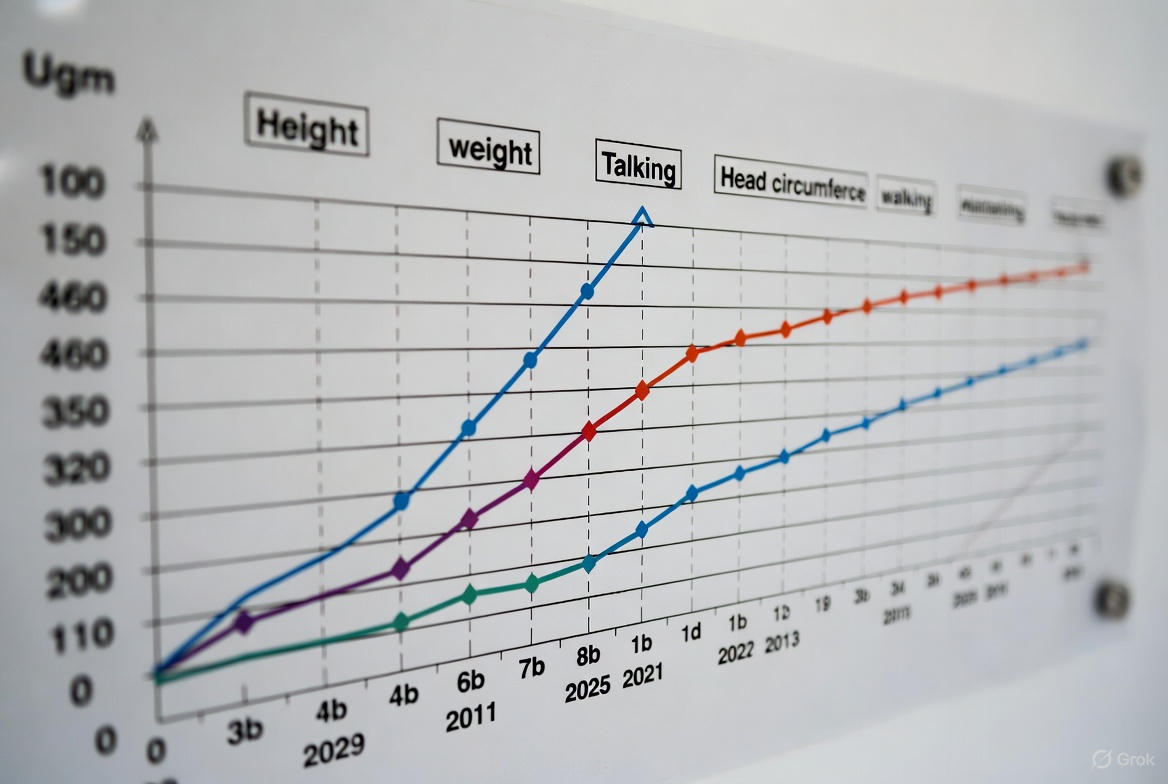
4. Growth and Development Monitoring
Tracks normal development.
Details
Height, weight, head circumference. Milestones like speech, walking.
Early intervention if deviation.
Tip: Your doctor shows the chart.

5. Home and Outdoor Safety
Accidents are the leading cause of death.
Details
Outlet covers, seat belts, keeping poisons away.
Age-appropriate precautions.
Tip: Conduct home inspections.

6. Age-Appropriate Sleep Schedule
Critical for development.
Details
Newborn 14-17 hours, school-age 9-11 hours. Consistent schedule.
Close screens early.
Tip: Create a story ritual.

7. Daily Physical Activity
For bone and muscle development.
Details
Preschool 3 hours daily active play, school-age 1 hour.
Prevents obesity.
Tip: Family walks.

8. Hygiene Habits
Prevents infections.
Details
20-second hand washing before/after meals. Brush teeth twice daily.
Teach through play.
Tip: Make it fun with songs.

9. Mental and Emotional Health
For emotional development.
Details
Listening, quality time, expressing emotions.
Specialist support if issues.
Tip: Set aside daily chat time.

10. Information on Common Childhood Illnesses
When to see a doctor.
Details
High fever, vomiting, diarrhea, rash—see doctor.
Basic home care.
Tip: Fever reducer on doctor's advice.

11. Emergency Preparedness
Saves lives.
Details
Choking, falls, poisoning—basic knowledge. First aid kit.
Family training.
Tip: Attend courses.

12. Pediatrician Follow-up
Most reliable path.
Details
Child doctor monitors all development, refers to specialists if needed.
Reliable source.
Tip: Write your questions in advance.