
Breastfeeding and Infant Health
For a healthy start
Guide on breast milk benefits, breastfeeding techniques, and infant development with science-based general information.
IMPORTANT WARNING:
The information on this page is for general informational purposes only and is not a substitute for medical advice. For breastfeeding issues, infant health concerns, or any medical conditions, consult a pediatric specialist, child doctor, or lactation consultant immediately. Infant and child health is extremely sensitive; do not make changes without professional medical help.
About Breastfeeding and Infant Health
Importance of Breastfeeding
Breastfeeding is the ideal nutrition method for babies. Breast milk contains all the nutrients a baby needs and strengthens the immune system.
WHO and UNICEF recommend exclusive breastfeeding for the first 6 months (source: UNICEF, Turkish Pediatric Association).
Benefits of Breast Milk
- Strengthens the immune system
- Supports growth and development
- Reduces infection risk
- Helps mother's uterus recovery and weight loss
- Strengthens mother-baby bond
Core Principles
- First 6 months exclusive breastfeeding
- Complementary foods after 6 months
- Correct breastfeeding positions
- Breastfeed on demand
- Pay attention to mother's nutrition
Professional Approach
- Lactation consultant support
- Pediatric check-ups
- Baby growth monitoring
- Medical intervention for issues
- Family physician referral
Breastfeeding and Infant Health Techniques

1. Breastfeeding Immediately After Birth
First milk is vital.
Details
Breastfeed within 1 hour of birth. Colostrum provides immunity.
WHO recommendation.
Tip: Encourage skin-to-skin contact.

2. On-Demand Frequent Breastfeeding
Watch baby's cues.
Details
8-12 times a day for newborns. Increases milk production.
Hunger signs: crying, sucking movements.
Tip: Don't skip night feeds.

3. Correct Breastfeeding Positions
For comfort.
Details
Baby's head at breast level, nose free. Try different positions.
Seek help if painful.
Tip: Use pillows.

4. Breastfeeding Mother's Nutrition
Affects milk quality.
Details
Balanced diet, plenty of water. Limit caffeine and alcohol.
Vitamin supplements on doctor's advice.
Tip: Keep healthy snacks handy.
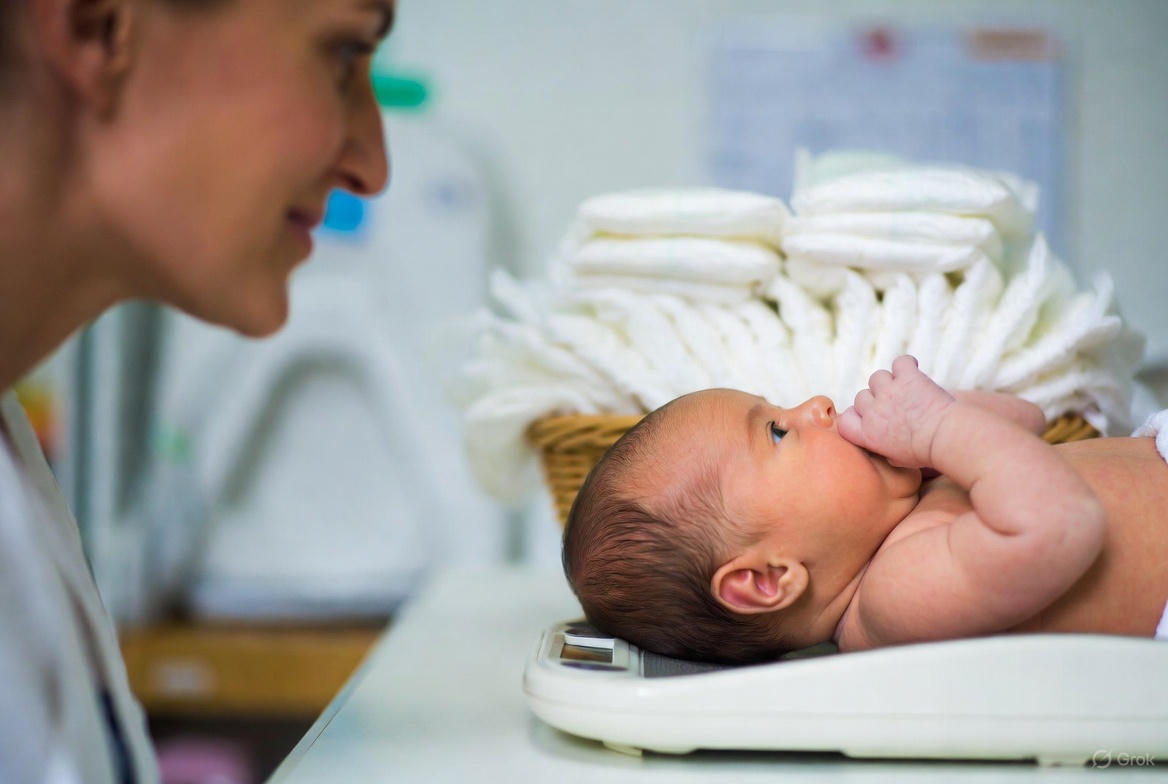
5. Monitoring Breast Milk Sufficiency
Baby signs.
Details
Weekly weight gain, 6-8 wet diapers daily. Consult doctor if insufficient.
Frequent feeding increases supply.
Tip: Track weight.

6. Transition to Complementary Foods (6 Months)
Start slowly.
Details
Vegetable and fruit purees. Introduce one at a time, watch for allergies.
Continue breastfeeding.
Tip: Under doctor's guidance.

7. Monitoring Infant Growth
Within normal range?
Details
Monthly check-ups with growth curve. Consult doctor if deviation.
Breastfeeding has major impact.
Tip: Don't use home scales; leave to doctor.

8. Support for Breastfeeding Issues
Common issues.
Details
Cracked nipples, engorgement, mastitis. Seek lactation consultant or doctor.
Continuing is important.
Tip: Intervene early.

9. Breastfeeding Mother's Health
Mother matters too.
Details
Adequate rest, support system. Monitor postpartum depression.
Doctor check-ups essential.
Tip: Accept help.

10. Formula Milk Use (If Necessary)
Alternative option.
Details
Doctor-approved formula if breastfeeding not possible. Prepare sterile.
Breast milk preferred.
Tip: Combination feeding possible.

11. General Infant Care
Alongside breastfeeding.
Details
Cleaning, safe sleep position, fall prevention.
Under doctor's guidance.
Tip: Read baby books.

12. Breastfeeding Support Resources
For reliable information.
Details
UNICEF, WHO guidelines, Turkish Pediatric Association resources.
Consultant groups.
Tip: Contact local health centers.