
Children's Nutrition
For healthy growth and development
Science-based nutrition guide by age groups. Support your children's physical, mental, and emotional development.
IMPORTANT WARNING:
The information on this page is for general informational purposes only and is not a substitute for medical advice. Children's nutrition varies by individual needs. Consult a pediatrician or pediatric dietitian for any diet changes, allergy concerns, or growth issues.
About Children's Nutrition
Importance of Children's Nutrition
The 0-18 age period is when growth and development are fastest. Proper nutrition directly impacts brain development, immune system, bone health, and learning capacity.
Inadequate or imbalanced nutrition increases risks of growth retardation, obesity, and chronic diseases (source: WHO, Turkish Pediatric Association).
Needs by Age Groups
- 0-6 months: Exclusive breastfeeding
- 6-12 months: Introduction of complementary foods
- 1-3 years: Variety and portion control
- 4-8 years: School-age habits
- 9-18 years: Adolescent growth spurt
Core Principles
- Balanced plate (vegetables, fruits, protein, grains, dairy)
- Portion control
- Limiting sugar and salt
- Family meals
- Habit building
Professional Approach
- Regular pediatric check-ups
- Growth curve monitoring
- Blood tests (iron, vitamin D, etc.)
- Pediatric dietitian support
- Allergy testing if needed
Children's Nutrition Techniques
1. Exclusive Breastfeeding for First 6 Months
The ideal food.
Details
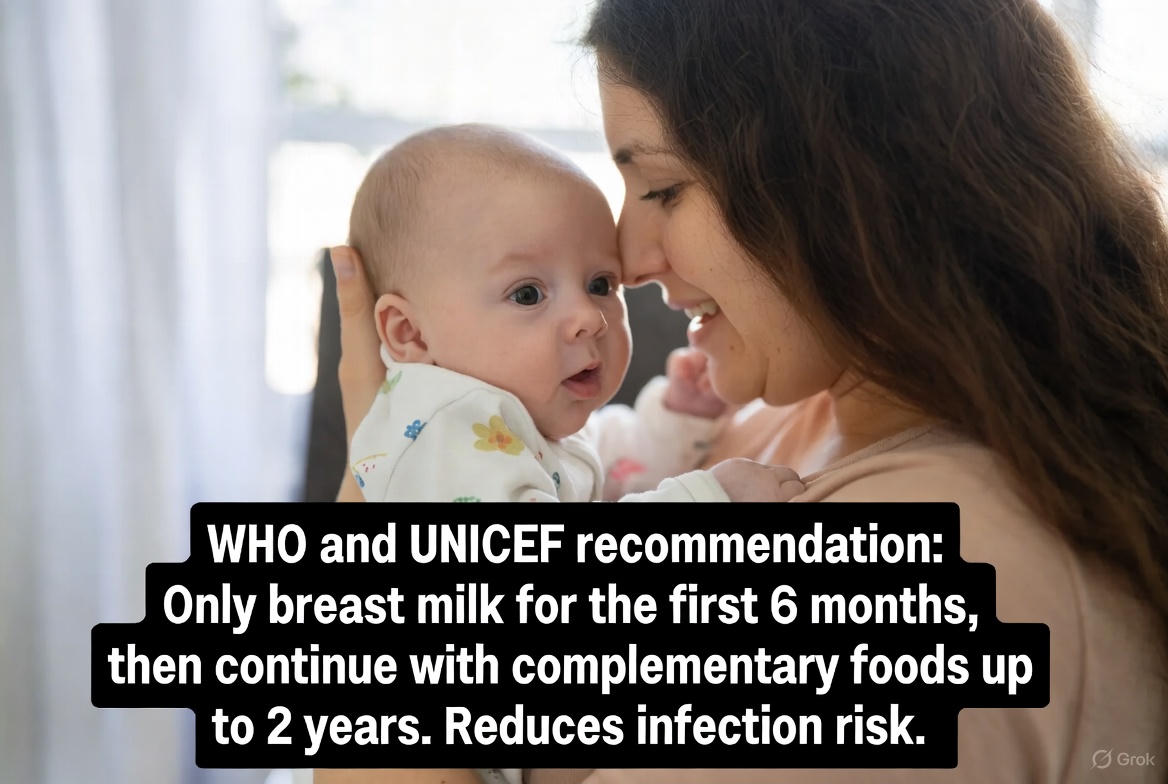
WHO and UNICEF recommendation: Exclusive breastfeeding for first 6 months, continue with complementary foods up to 2 years.
Reduces infection risk.
Tip: Seek breastfeeding support.

2. Introduction of Complementary Foods (6 Months)
Gradual and varied.
Details
Start with vegetable purees, fruits, grains. Introduce allergens one at a time.
Baby-led weaning (BLW) is also an option.
Tip: Start with doctor approval.

3. Adequate Protein Sources
Essential for growth.
Details
Daily needs vary by age. Balance animal and plant sources.
For muscle and tissue development.
Tip: Be careful with vegetarian children.

4. Calcium and Vitamin D
Critical for bone health.
Details
Milk, yogurt, cheese. Vitamin D from sunlight and fatty fish.
Deficiency risks rickets.
Tip: Alternatives if lactose intolerant.

5. Iron-Rich Foods
Prevents anemia.
Details
Red meat, liver, spinach. Absorption increases with vitamin C.
Especially critical 6-24 months.
Tip: Monitor with blood tests.

6. Plenty of Vegetables and Fruits
For immunity and fiber.
Details
5 servings daily. Provide variety.
Prevents constipation.
Tip: Make it fun.

7. Reducing Sugar and Salt
Before habits form.
Details
Limit processed foods and sweets. Prefer natural flavors.
For teeth and weight control.
Tip: Read labels.

8. Adequate Water Intake
Essential for growth.
Details
1-2 liters by age. Water and milk instead of juice.
For kidney and brain function.
Tip: Encourage with colorful cups.

9. Eating with Family
Builds healthy habits.
Details
No screens, regular times. Children imitate parents.
Reduces obesity risk.
Tip: Involve children in the kitchen.

10. Age-Appropriate Portions
Prevents overeating.
Details
Respect child's hunger-fullness signals. Don't force.
Obesity prevention.
Tip: Use small plates.

11. Attention to Food Allergies
Risky foods.
Details
Introduce allergens like eggs, peanuts, milk carefully.
Specialist if family history.
Tip: Monitor symptoms.

12. Pediatrician and Dietitian Follow-up
The safest path.
Details
Regular check-ups monitor growth and development. Early intervention if issues.
Needs are individual.
Tip: Note your questions.