
Hydration Tips
Keep your body at optimal levels
Daily water needs, dehydration signs, and effective strategies to protect your performance and health.
Everything About Hydration
What is Hydration and Why is it Important?
Hydration is maintaining adequate fluid levels in the body. Our body is about 60% water, and all physiological processes require water.
Scientifically: Even 2% dehydration can reduce performance by 10-20% (source: ACSM).
Dehydration Signs
- Thirst sensation (you're already late!)
- Dark-colored urine
- Headache and fatigue
- Muscle cramps
- Difficulty concentrating
- Dry skin and lips
Daily Water Needs
- General rule: Body weight (kg) × 30-35 ml
- Example: 70 kg person → 2.1-2.45 liters
- Those who exercise +0.5-1 liter
- Hot weather or sweating + extra
- Water from food also counts (20-30%)
Best Practices
- Drink at regular intervals (200-300 ml every hour)
- 500 ml water right after waking up
- Plan before, during, and after workouts
- Check urine color (light straw color is ideal)
- Pay attention to electrolyte balance
Most Effective Hydration Tips

1. Calculate Daily Water Needs
Everyone's needs are different.
Details
Formula: Body weight (kg) × 35 ml (average).
Example: 80 kg → 2.8 liters.
Exercise +0.5-1 liter, hot weather + extra.
Tip: Know your weight, set your daily goal.

2. Drink Before Feeling Thirsty
Thirst means you're already late.
Details
Thirst sensation appears after 1-2% dehydration.
Performance has already dropped.
Tip: Keep a water bottle at your desk, set alarms.

3. Electrolyte Balance
Water alone may not be enough.
Details
Electrolyte loss occurs in long workouts (>60 min) or heavy sweating.
Coconut water, salted water, or sports drinks.
Tip: Homemade: 1 liter water + 1/4 tsp salt + lemon.
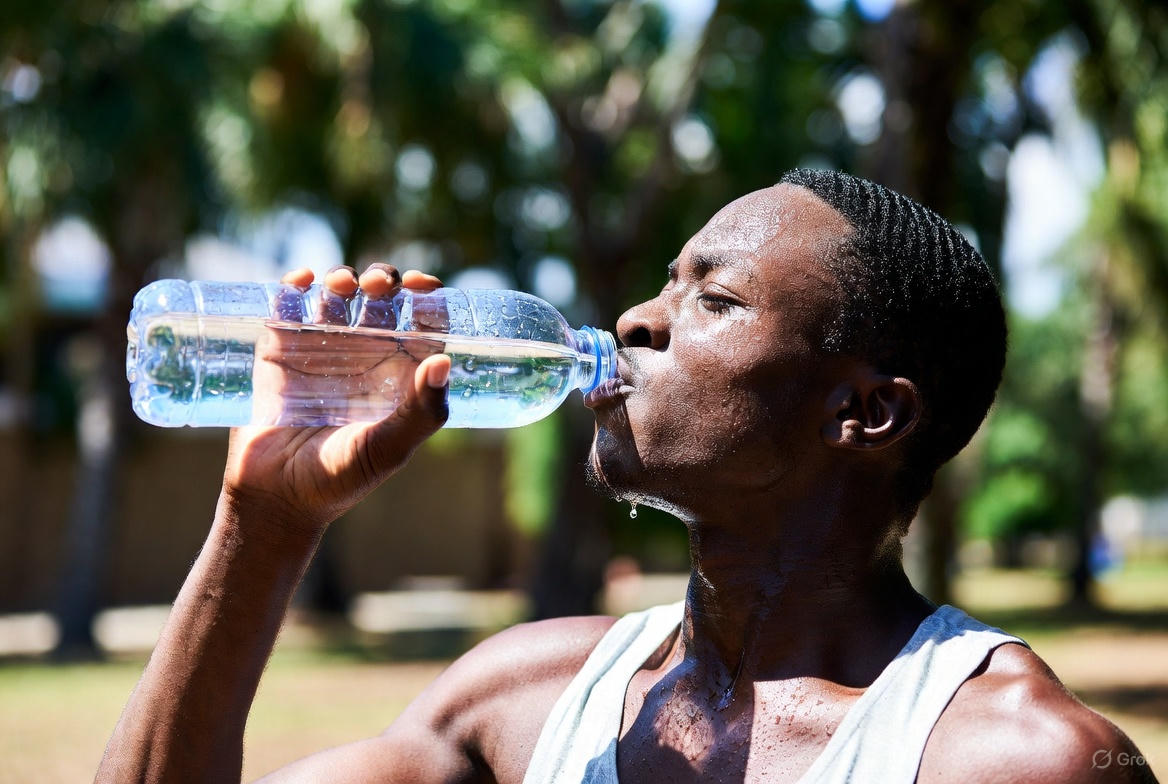
4. Hydration During Workouts
Maintains performance.
Details
500 ml before, 200 ml every 15 min during.
After: Replace lost amount (weigh yourself before/after).
Tip: Cold water absorbs faster.

5. Drink Water First Thing in the Morning
Starts the day strong.
Details
0.5-1 liter water loss overnight.
Morning water boosts metabolism by 20-30%.
Tip: Keep a bottle by your bed.

6. Flavored Water Recipes
Makes drinking water enjoyable.
Details
Lemon + mint, strawberry + basil, cucumber + ginger.
Prepare overnight for stronger flavors.
Tip: Use glass bottles; plastic can affect taste.

7. Water Tracking Apps
Prevents forgetting.
Details
Popular: WaterMinder, Hydro Coach, Plant Nanny.
Motivates with notifications and graphs.
Tip: Choose one with smartwatch integration.

8. Water Intake from Food
Part of water needs comes from food.
Details
Cucumber 96%, watermelon 92%, lettuce 95% water.
Soups and yogurt also contribute.
Tip: Eat more fruit in summer.

9. Does Coffee and Tea Affect Hydration?
Myth busted.
Details
Caffeinated drinks contribute to net hydration (source: British Journal of Nutrition).
3-4 cups a day are fine.
Tip: Excessive caffeine (>400 mg) may have diuretic effect.

10. Hydration After Alcohol
Prevents headaches.
Details
Drink 1 glass of water per alcoholic drink.
Before bed: 500 ml water + electrolytes.
Tip: Coconut water is excellent for recovery.
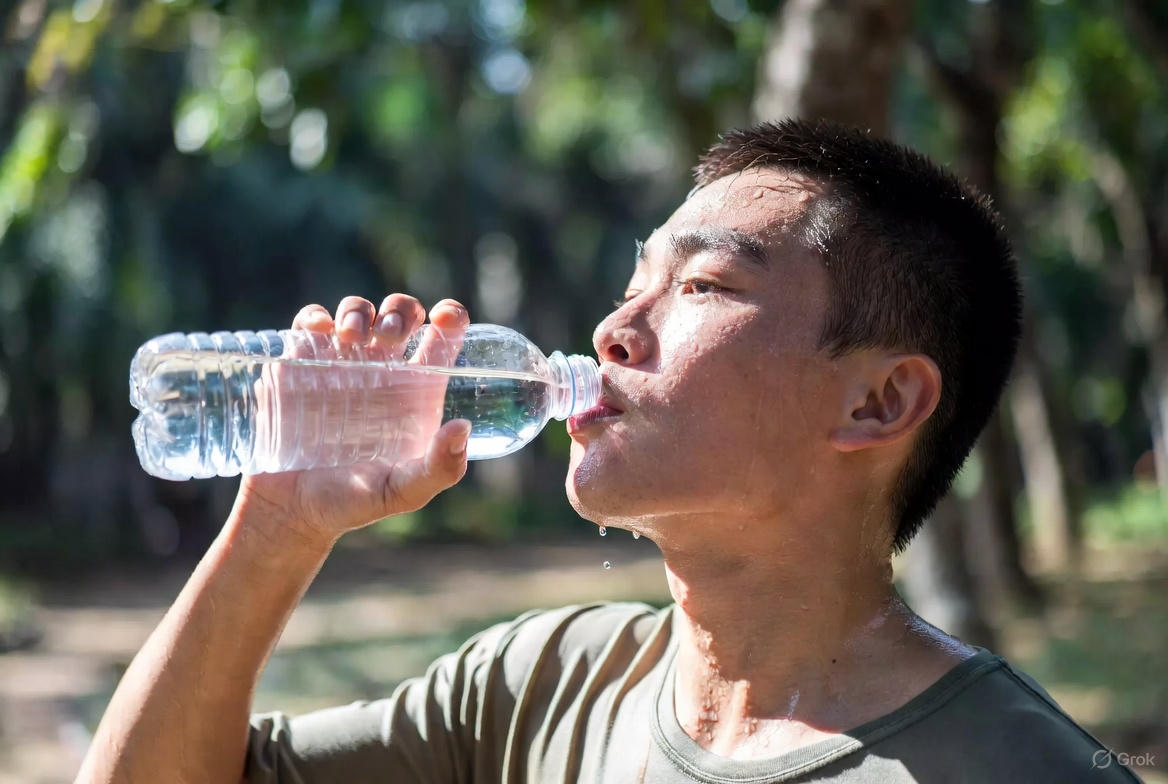
11. Extra Water in Hot Weather
Reduces heat stress risk.
Details
Sweating doubles for every 10°C increase.
Drink cold water, wear light clothes.
Tip: Carry an insulated water bottle.

12. Dehydration Signs
Recognize body signals.
Details
Mild: Thirst, dark urine.
Moderate: Headache, weakness.
Severe: Dizziness, confusion.
Tip: Urine color is the best indicator (light straw ideal).