
Hormonal Balance
Balance your hormones naturally
Protect and improve your hormonal health with science-based lifestyle changes, nutrition, and stress management.
IMPORTANT WARNING:
The information on this page is for general informational purposes only. If you suspect hormone imbalance (thyroid, PCOS, menopause, etc.), consult an endocrinologist or doctor. This content is not a substitute for medical advice.
About Hormonal Balance
What is Hormonal Balance?
Hormones are the body's chemical messengers. Balance of hormones like thyroid, insulin, cortisol, estrogen, and testosterone affects metabolism, mood, energy, and reproduction.
Stress, nutrition, and sleep imbalance disrupt them (source: Endocrine Society, Harvard Health).
Imbalance Symptoms
- Difficulty gaining/losing weight
- Fatigue and low energy
- Mood swings
- Sleep problems
- Skin and hair issues
Balancing Methods
- Balanced nutrition
- Regular sleep
- Stress management
- Exercise
- Professional follow-up
Professional Approach
- Hormone testing
- Endocrinologist examination
- Personalized treatment
- Hormone replacement if needed
- Dietitian support
Hormonal Balance Techniques

1. Reducing Chronic Stress
Lowers cortisol.
Details
Stress disrupts other hormones. Practice meditation, yoga, or breathing exercises.
Balances insulin and thyroid.
Tip: Daily 10 min practice.

2. Quality Sleep Routine
Regulates hormone release.
Details
Growth hormone and melatonin are released during sleep. Irregularity raises cortisol.
Go to bed at the same time.
Tip: Dark and cool room.
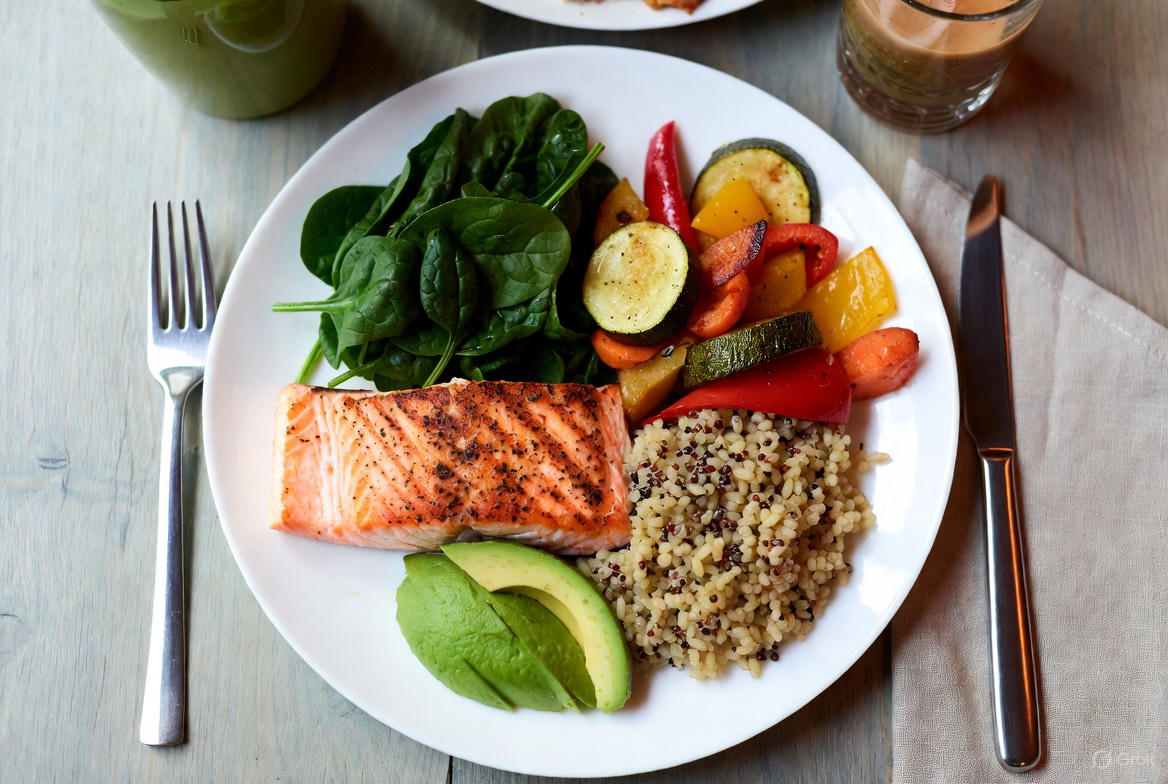
3. Hormone-Friendly Nutrition
Increases insulin sensitivity.
Details
Whole foods, healthy fats, protein. Reduce sugar and processed foods.
Supports thyroid and sex hormones.
Tip: Low GI foods.

4. Regular Physical Activity
Provides hormonal balance.
Details
150 min/week moderate + strength training. Reduces insulin resistance.
Avoid excessive exercise.
Tip: Yoga is ideal for hormonal balance.

5. Maintaining Healthy Weight
Balances hormone production.
Details
Excess fat increases estrogen, deficiency decreases it. Keep BMI in ideal range.
Important for PCOS and menopause.
Tip: Aim for gradual change.

6. Reducing Sugar and Refined Carbs
Prevents insulin resistance.
Details
High sugar causes insulin and cortisol fluctuations. Prefer whole grains.
Reduces hormonal acne.
Tip: Use natural sweeteners.
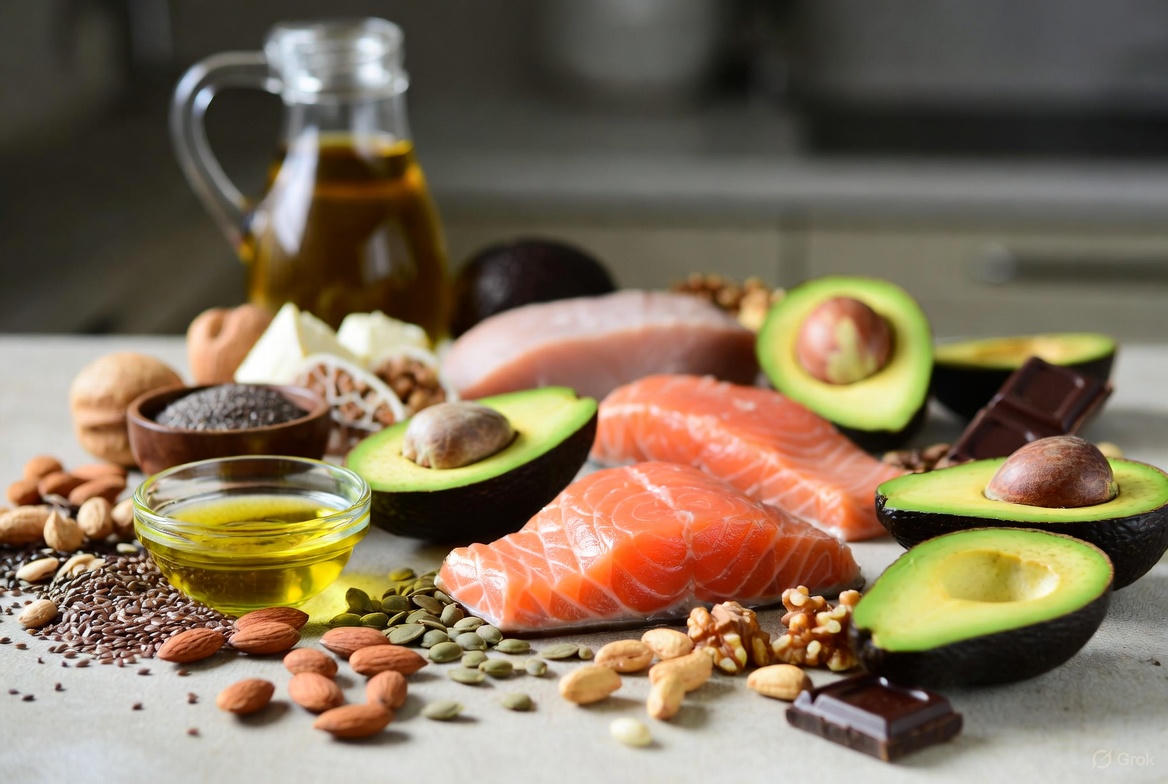
7. Healthy Fat Consumption
Supports hormone production.
Details
Omega-3 and monounsaturated fats. Cholesterol is precursor to sex hormones.
Avoid trans fats.
Tip: Use olive oil daily.

8. Supporting Gut Health
Affects estrogen metabolism.
Details
Yogurt, kefir, pickles. Gut-hormone axis is powerful.
Contributes to estrogen balance.
Tip: Consume with fiber.

9. Reducing Environmental Toxins
Prevents hormone mimics.
Details
Avoid BPA and phthalates in plastics. Prefer organic products.
Protects hormonal balance.
Tip: Use glass storage containers.
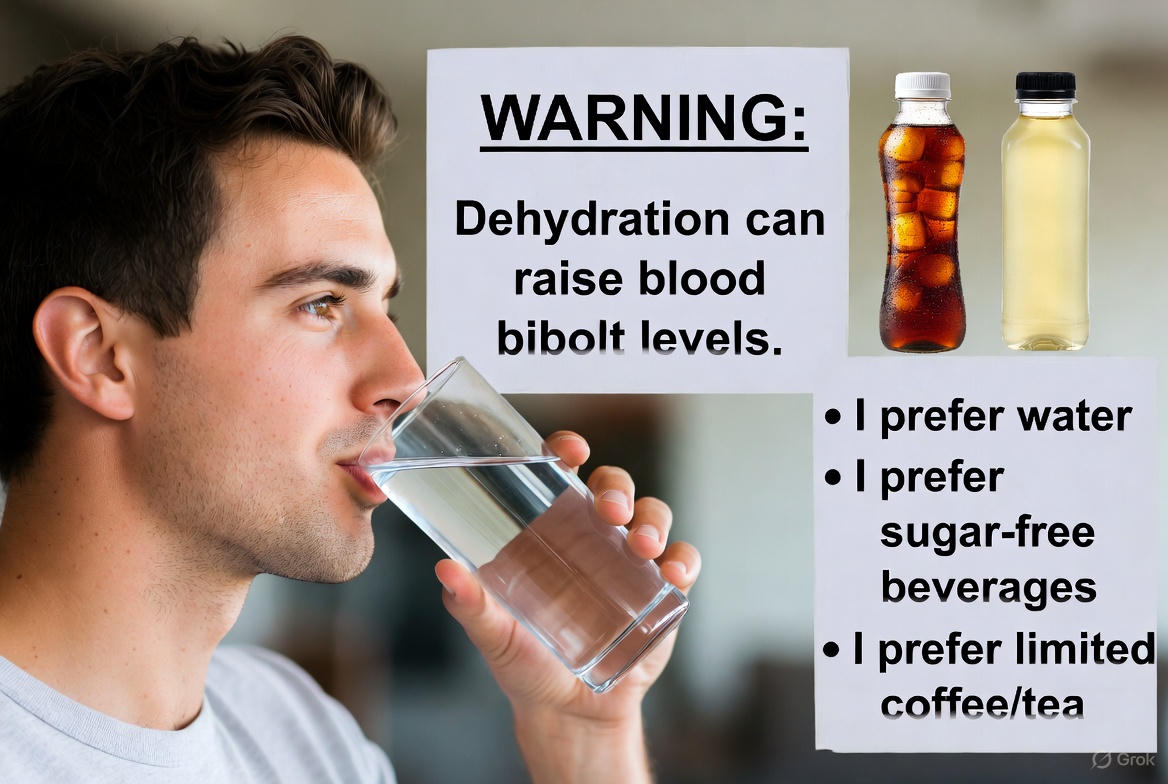
10. Adequate Water Intake
Supports hormone transport.
Details
Dehydration raises stress hormones. Drink 2-3 liters daily.
Facilitates toxin elimination.
Tip: Add herbal teas.

11. Hormone Level Monitoring
Detects deficiencies early.
Details
If symptoms, test thyroid, cortisol, sex hormones.
Annual check recommended.
Tip: Keep a symptom diary.

12. Endocrinologist Follow-up
Most effective approach.
Details
Seek specialist support for severe imbalances. Treatment is personalized.
Improves quality of life.
Tip: Get a second opinion.