
Breast Health
Early detection saves lives
Reduce breast cancer risk with science-based prevention methods, self-examination, screening programs, and healthy living.
IMPORTANT WARNING:
The information on this page is for general informational purposes only. If you notice a lump, pain, or changes in your breast, see a doctor immediately. For breast cancer diagnosis and treatment, consult an oncologist or general surgeon.
About Breast Health
What is Breast Cancer?
Breast cancer is the uncontrolled growth of cells in breast tissue. It is the most common cancer in women. Early detection leads to over 90% treatment success.
Risk factors: Age, family history, hormone therapy, obesity (source: WHO, ACS, Cancer Society).
Warning Signs
- Lump in the breast
- Change in breast shape
- Nipple discharge
- Orange-peel appearance on breast skin
- Swelling under the armpit
Prevention Methods
- Self-examination
- Regular mammography screening
- Maintaining healthy weight
- Regular exercise
- Limiting alcohol and smoking
Professional Approach
- Mammography and ultrasound
- BRCA gene testing (if family history)
- Biopsy
- Oncological treatment
- Psychological support
Techniques to Maintain Breast Health

1. Monthly Self-Examination
Critical for early detection.
Details
Examine in front of mirror, in shower, and lying down. Look for lumps or changes.
Early detection increases success.
Tip: Do it on the same day each month.
2. Regular Mammography Screening
Most effective screening method.
Details
Recommended for women over 40. Earlier if high risk.
Reduces mortality risk by 30% (ACS).
Tip: Consult your doctor.
3. Maintaining Healthy Weight
Reduces risk.
Details
Excess weight increases estrogen. Even 5-10% loss helps.
Balanced nutrition and movement.
Tip: Track your BMI.

4. Regular Physical Activity
Significantly reduces risk.
Details
Walking, running, or strength training. Reduces breast cancer risk by 20-30%.
Balances estrogen.
Tip: Add daily movement.

5. Reducing Alcohol Consumption
Direct risk factor.
Details
Alcohol raises estrogen levels. Limit or avoid daily consumption.
Reduces risk by 10-15%.
Tip: Try alcohol-free alternatives.
6. Avoiding Smoking and Tobacco
Reduces treatment success.
Details
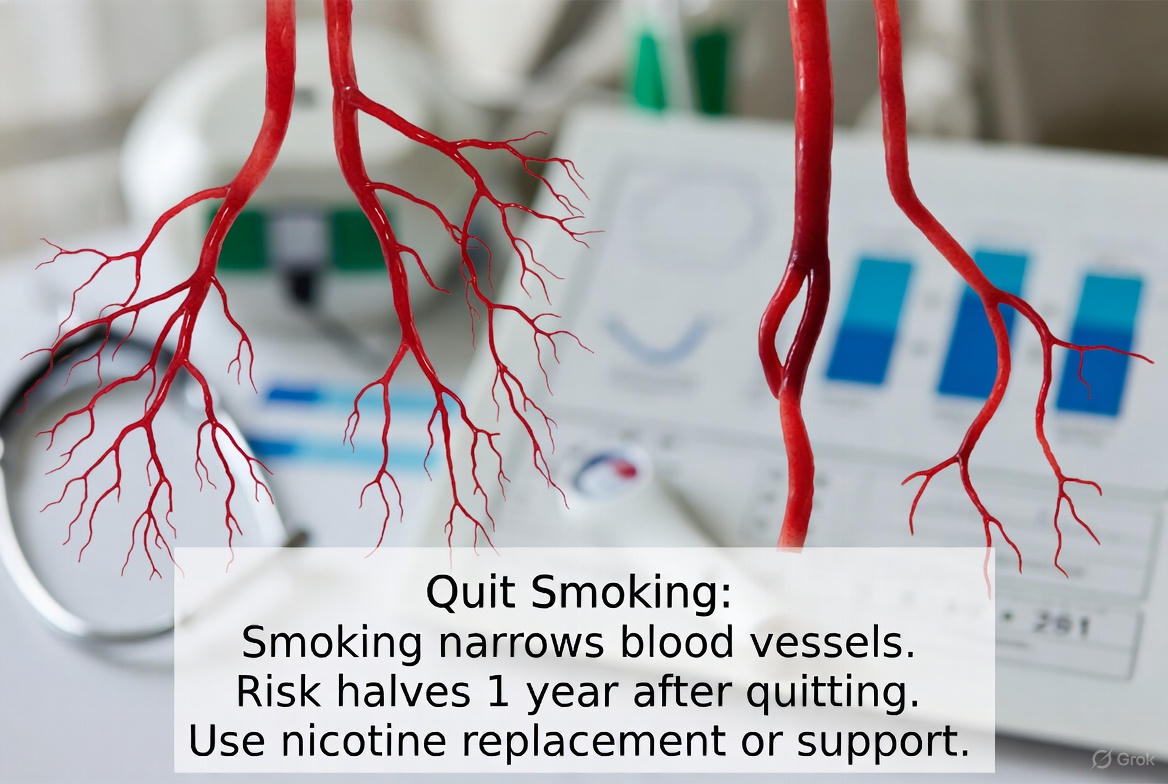
Smoking increases breast cancer risk and complicates treatment.
Quitting provides the greatest benefit.
Tip: Seek help from support lines.

7. Antioxidant-Rich Nutrition
May reduce risk.
Details
Plenty of vegetables, fruits, whole grains. Limit processed meats and sugar.
Reduces inflammation.
Tip: Adopt Mediterranean diet.
8. Breastfeeding
Protective for mothers.
Details
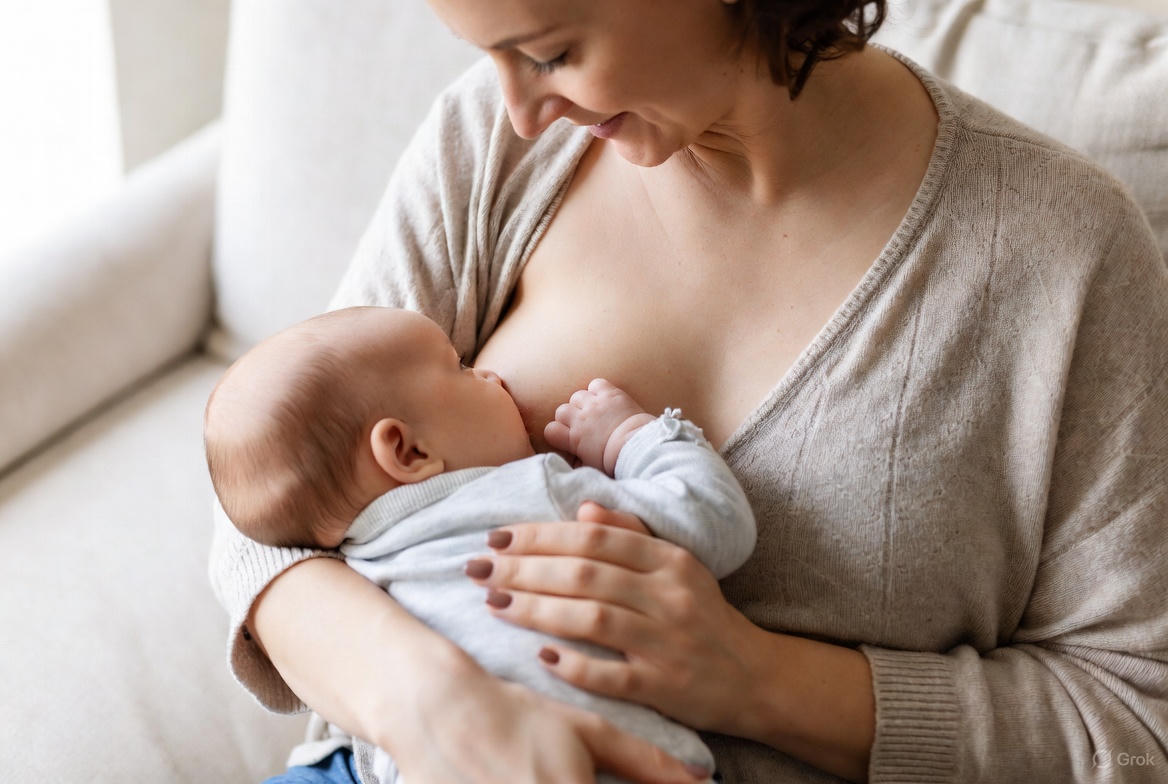
Long-term breastfeeding reduces breast cancer risk. Balances hormones.
Beneficial for baby too.
Tip: Seek support.

9. Evaluating Hormone Therapies with Doctor
May increase risk.
Details
Long-term HRT may slightly increase breast cancer risk. Discuss risks and benefits with doctor.
Alternatives exist.
Tip: Lowest dose and duration.

10. Family History and Genetic Risk
Early measures for high risk.
Details
If family history of breast cancer, seek genetic counseling. BRCA mutation carriers have high risk.
Early screening planned.
Tip: Create a family tree.
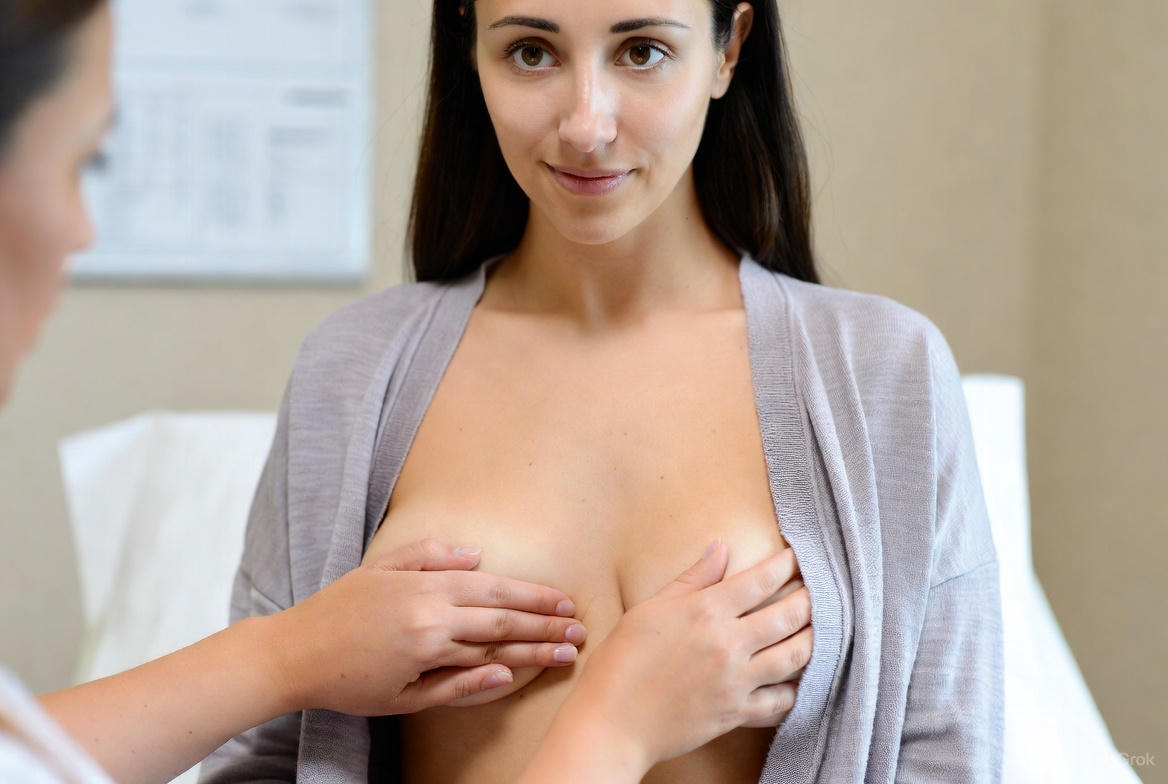
11. Regular Doctor Check-ups
For early detection.
Details
Annual clinical breast exam for women over 20. More frequent if high risk.
Join screening programs.
Tip: Don't forget appointments.
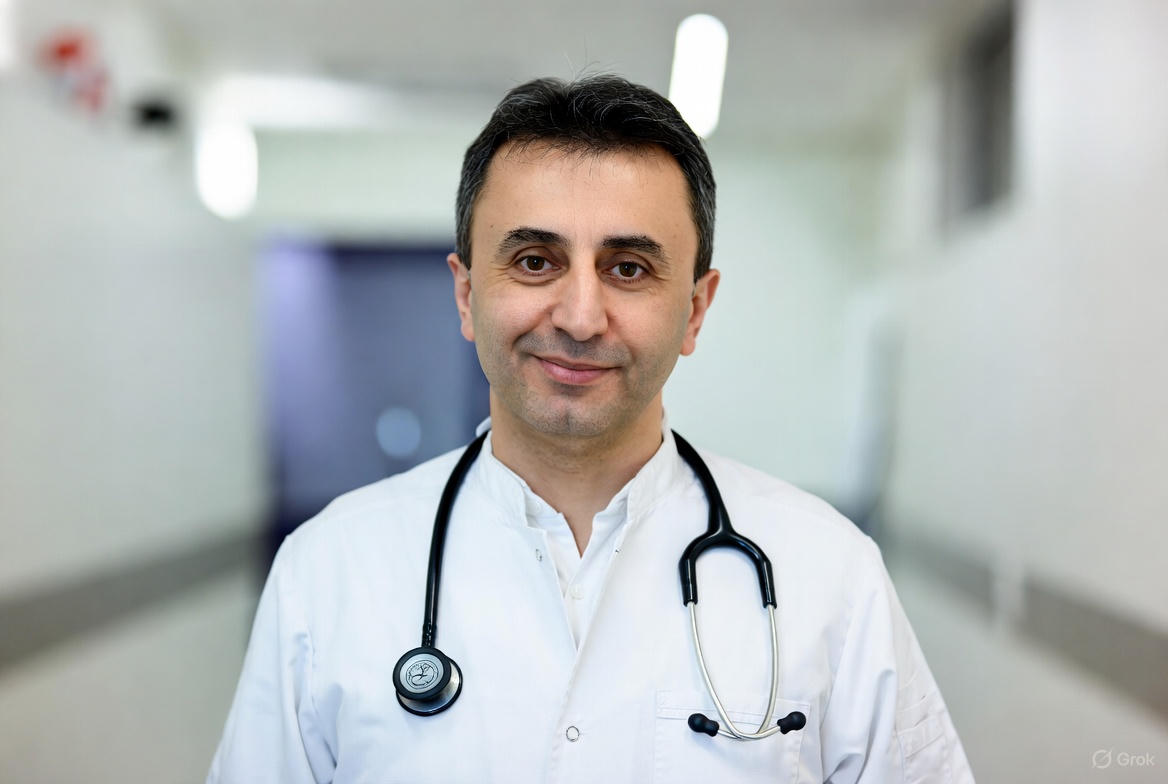
12. Oncologist and General Surgeon Follow-up
Saves lives.
Details
See a specialist immediately for any changes. Early-stage treatment success is very high.
Don't be shy.
Tip: Get a second opinion.